
OPENING OF THE EXHIBITION “QUỐC TỬ GIÁM OF THĂNG LONG AND SƠN TÂY’S TRADITION OF RESPECT FOR LEARNING”
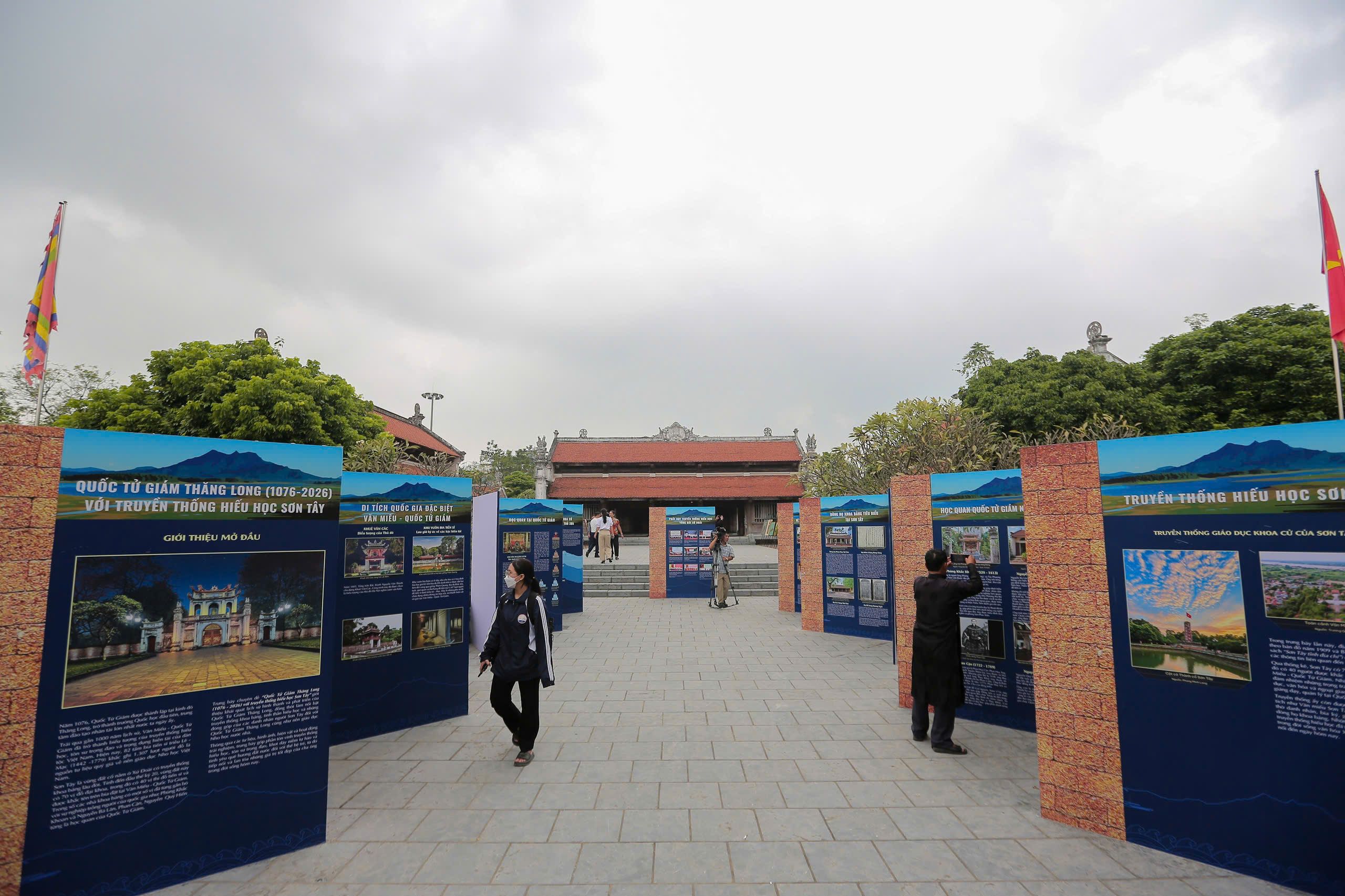
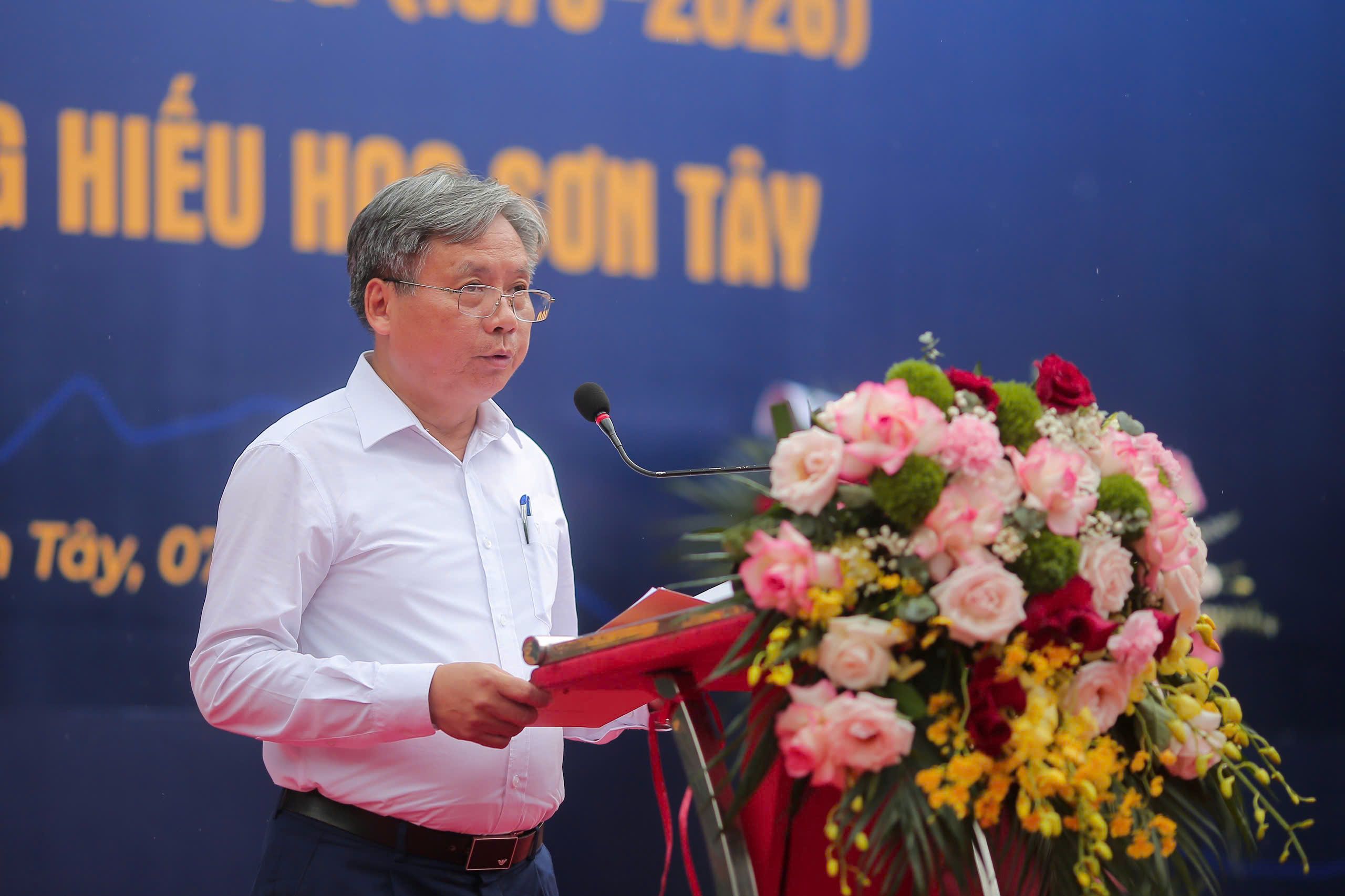
On the morning of 6 November 2026, the Centre for Cultural and Scientific Activities of Văn Miếu – Quốc Tử Giám, in collaboration with the General Services Centre of Sơn Tây Ward, held the opening ceremony of the thematic exhibition “Quốc Tử Giám of Thăng Long (1076–2026) and Sơn Tây’s Tradition of Respect for Learning” at Văn Miếu Sơn Tây.
09:00, 07.11.2026
Sơn Tây Temple of Literature

On the morning of 6 November 2026, the Centre for Cultural and Scientific Activities of Văn Miếu – Quốc Tử Giám, in collaboration with the General Services Centre of Sơn Tây Ward, held the opening ceremony of the thematic exhibition “Quốc Tử Giám of Thăng Long (1076–2026) and Sơn Tây’s Tradition of Respect for Learning” at Sơn Tây Temple of Literature
The exhibition was organised to mark the 950th anniversary of the founding of Quốc Tử Giám (1076–2026), Vietnamese Teachers’ Day (20 November), Vietnam Cultural Heritage Day (23 November) and Vietnam Culture Day (24 November).
The exhibition introduces, promotes and honours the distinctive cultural values of Văn Miếu – Quốc Tử Giám, alongside Sơn Tây’s longstanding traditions of respect for learning and success in the imperial examinations.
Quốc Tử Giám, Vietnam’s first national educational institution, operated for more than 700 years, educating generations of talented individuals who made significant contributions to the development of the country. The history of Văn Miếu – Quốc Tử Giám is closely associated with distinguished figures such as Emperors Lý Thánh Tông, Lý Nhân Tông and Lê Thánh Tông, as well as the exemplary teacher Chu Văn An. The site also preserves 82 Doctoral Stelae dating from the Lê and Mạc dynasties. These “stone chronicles”, bearing the names of distinguished scholars, are recognised by UNESCO as part of the Memory of the World Programme.
While Văn Miếu – Quốc Tử Giám symbolises Vietnam’s scholarly tradition, Văn Miếu Sơn Tây holds an important place in the history of education, the imperial examination system and the tradition of respect for teachers in the historic xứ Đoài region. Although they are two distinct heritage sites and cultural spaces, they share the same core values: respect for knowledge, honouring teachers and recognising scholars of talent and virtue.
Sơn Tây and the wider xứ Đoài region produced 70 scholars who attained the highest qualifications in the imperial examination system, including 40 whose names are inscribed on the Doctoral Stelae at Văn Miếu – Quốc Tử Giám. Many distinguished scholars from Sơn Tây, including Phùng Khắc Khoan, Nguyễn Bá Lân, Phan Cận and Nguyễn Quý Hiển, held important positions in national education, serving in teaching and administrative roles at Quốc Tử Giám.
.
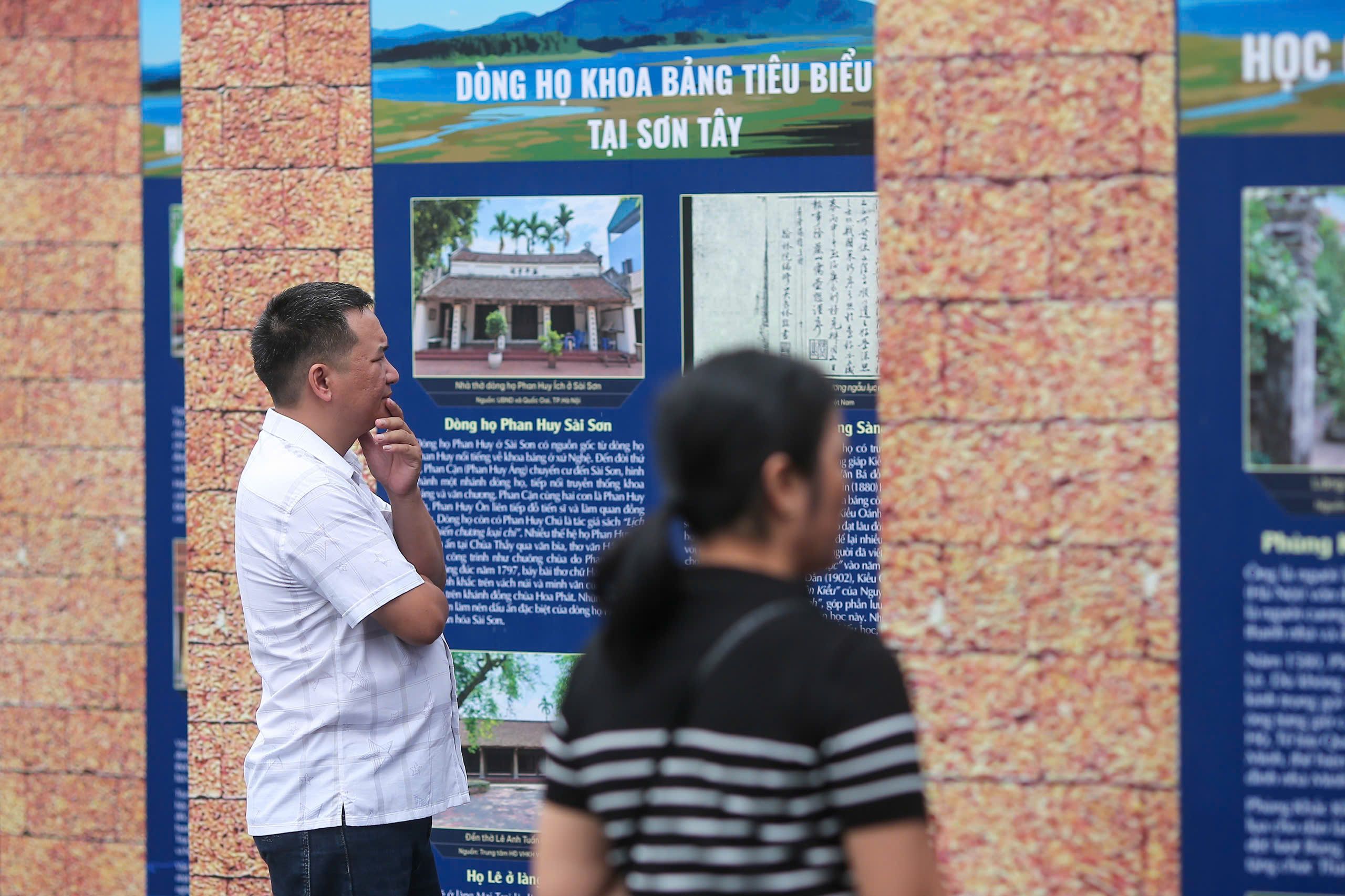
This tradition of respect for learning has also been preserved and nurtured through generations of renowned scholarly lineages, including the Phan Huy lineage of Sài Sơn, the Lê lineage of Mai Trai, the Kiều lineage of Đông Sàng and the Đỗ lineage of Hương Ngải. Notably, the scholar Nguyễn Nham authored the inscriptions on the Doctoral Stelae commemorating the imperial examinations of 1664, 1680, 1694 and 1710, helping to record and pass down the values of Vietnam’s imperial examination tradition.
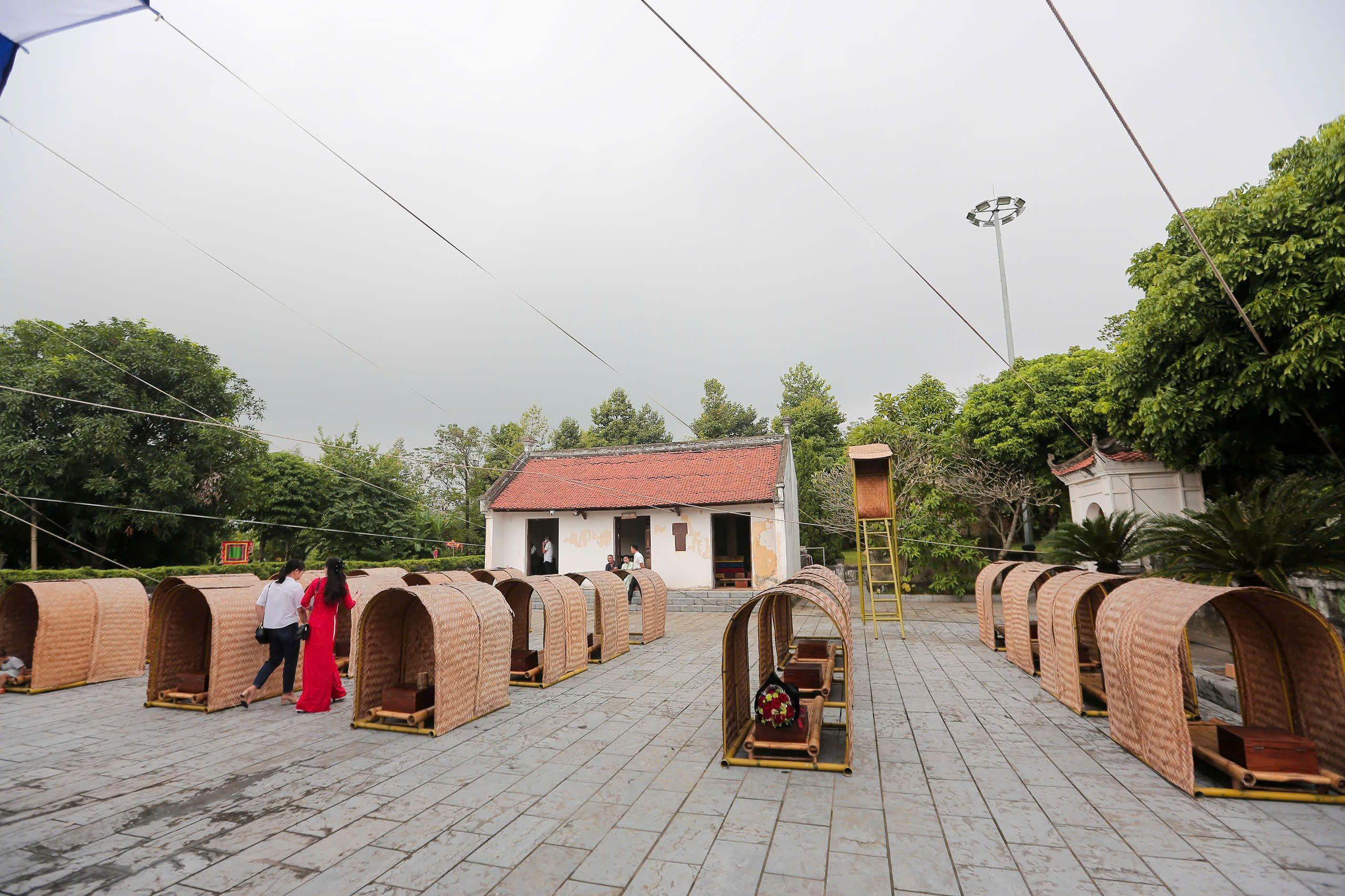
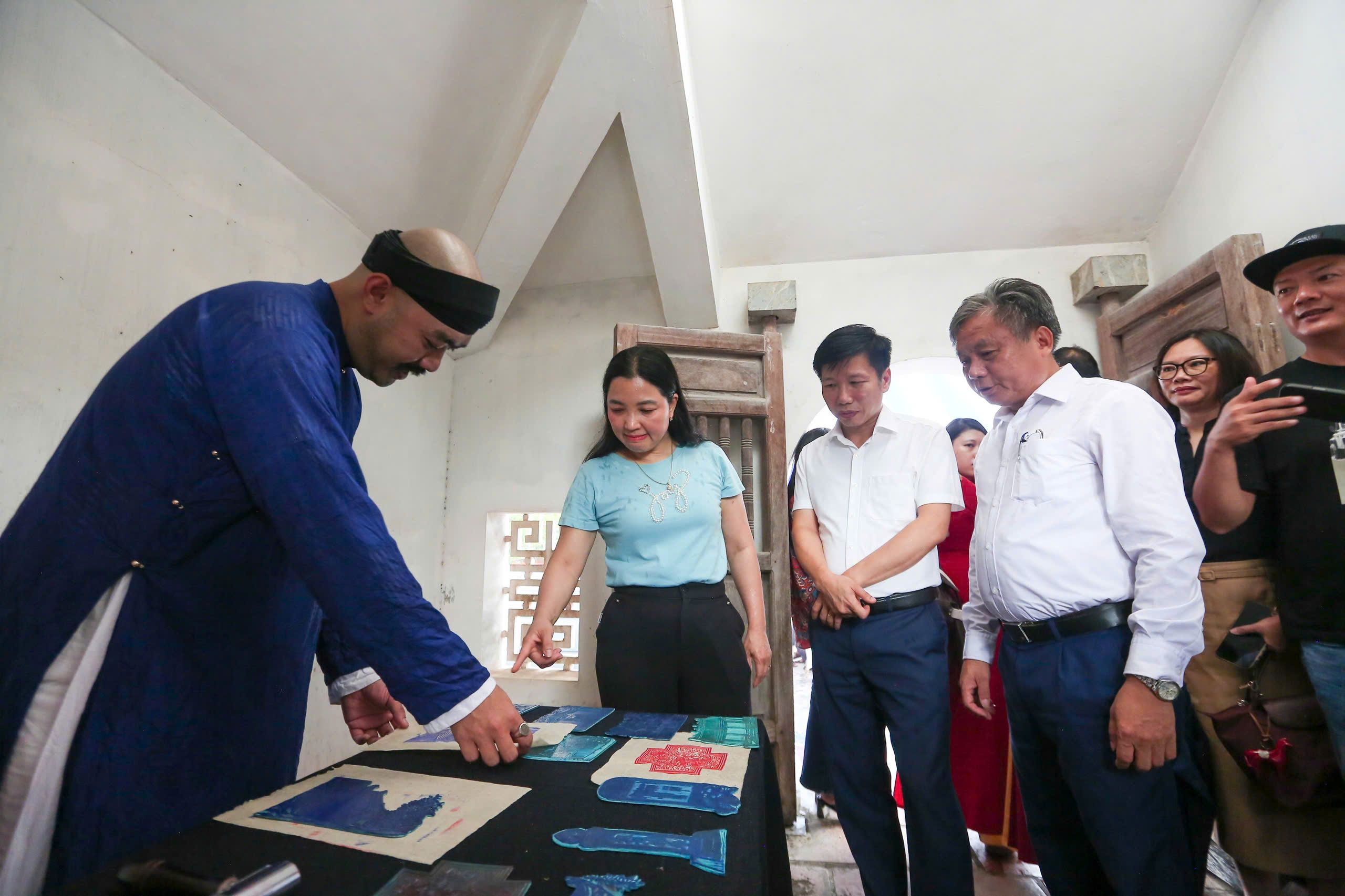
Through photographs, historical documents and artefacts, the exhibition presents the distinctive values of Văn Miếu – Quốc Tử Giám while highlighting Sơn Tây’s traditions of respect for learning and success in the imperial examinations, as well as the contributions of generations of distinguished scholars to Vietnamese education. Alongside the exhibition, visitors can take part in traditional cultural activities and explore distinctive aspects of Vietnam’s historical education and imperial examination system.
The connection between Văn Miếu – Quốc Tử Giám and Văn Miếu Sơn Tây represents more than a meeting of two cultural heritage sites. It reflects the continuity of a tradition of Confucian learning throughout Vietnam’s history. From the country’s first national educational institution to regions renowned for their scholarly achievements, the values of respect for learning, respect for teachers and the aspiration to serve the nation have been preserved and passed down through generations.
The exhibition helps promote the enduring values of Vietnam’s scholarly tradition, inspires pride in Sơn Tây’s heritage of learning, and encourages younger generations to continue studying, cultivating their character, pursuing their aspirations and contributing to the country’s future
TL: LH