
PRESIDENT OF THE REPUBLIC OF PANAMA JOSÉ RAÚL MULINO AND FIRST LADY VISIT VĂN MIẾU – QUỐC TỬ GIÁM
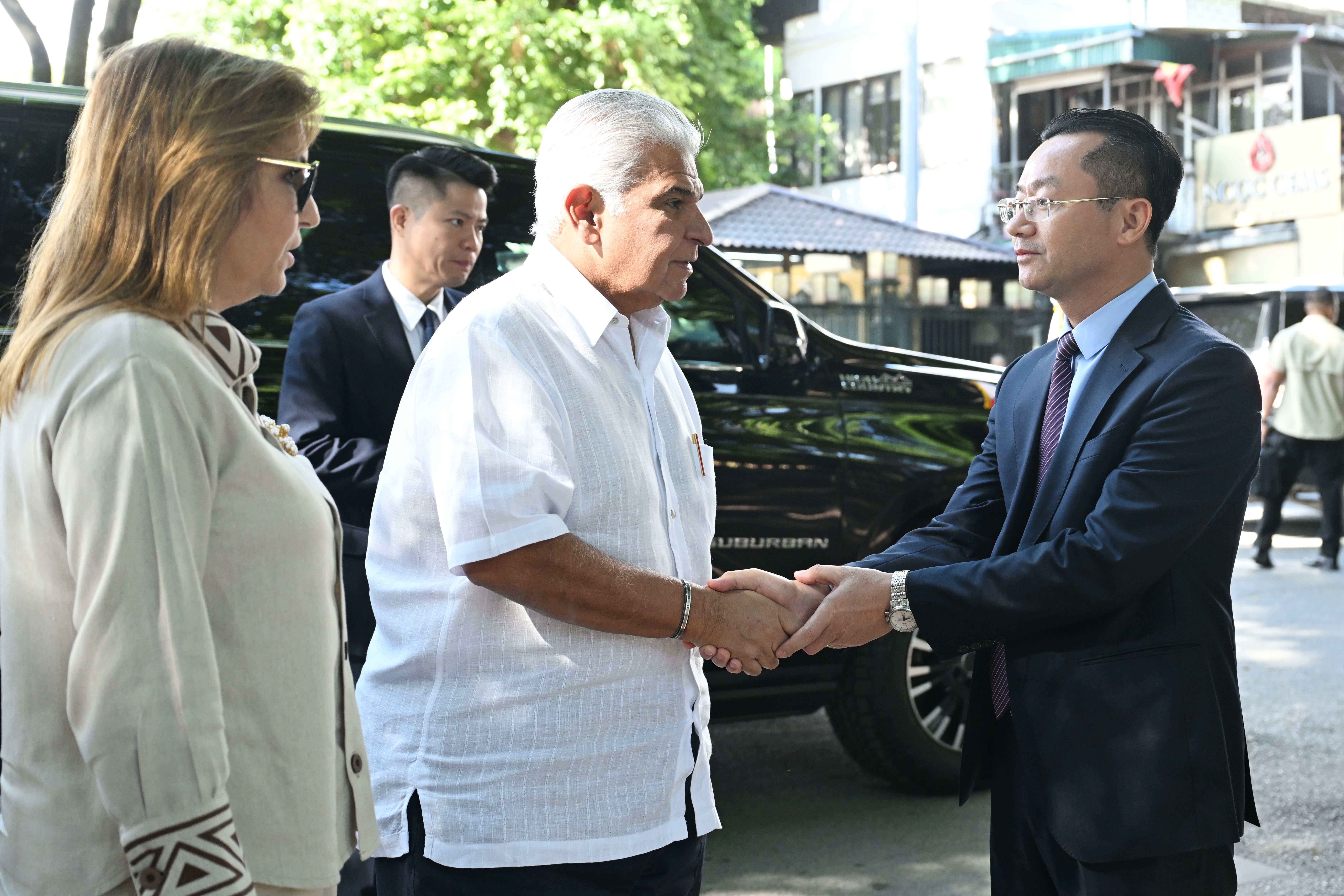
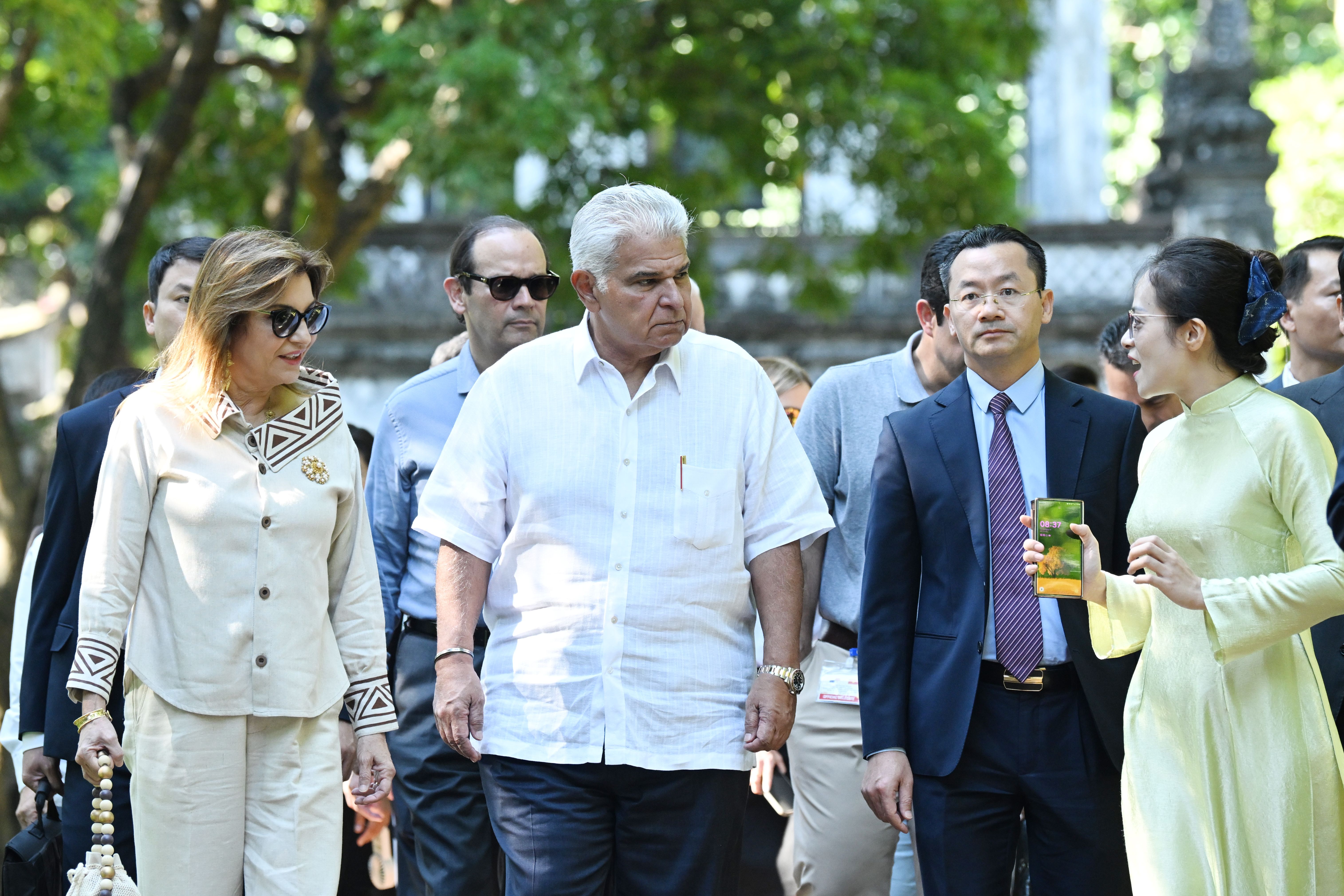
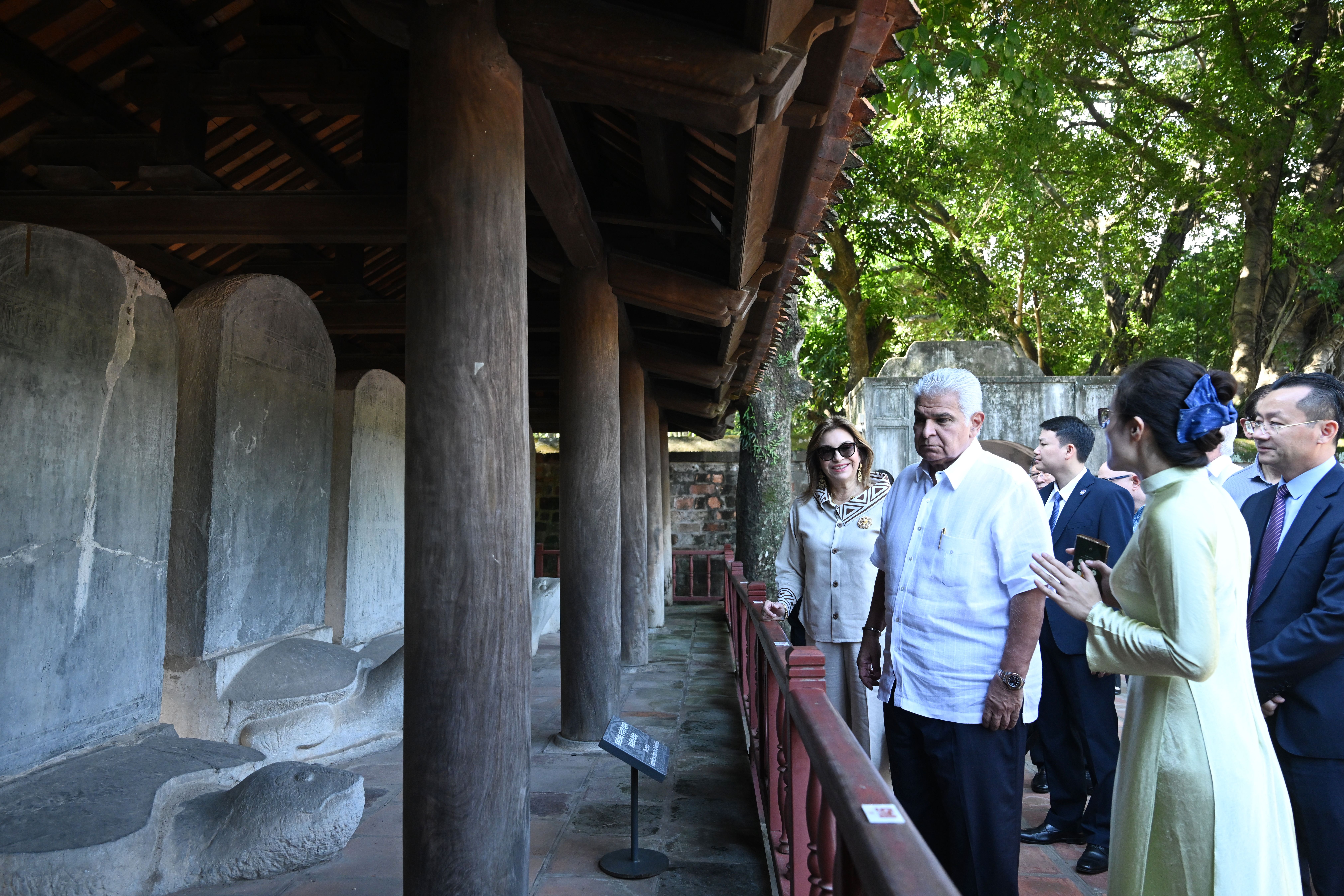
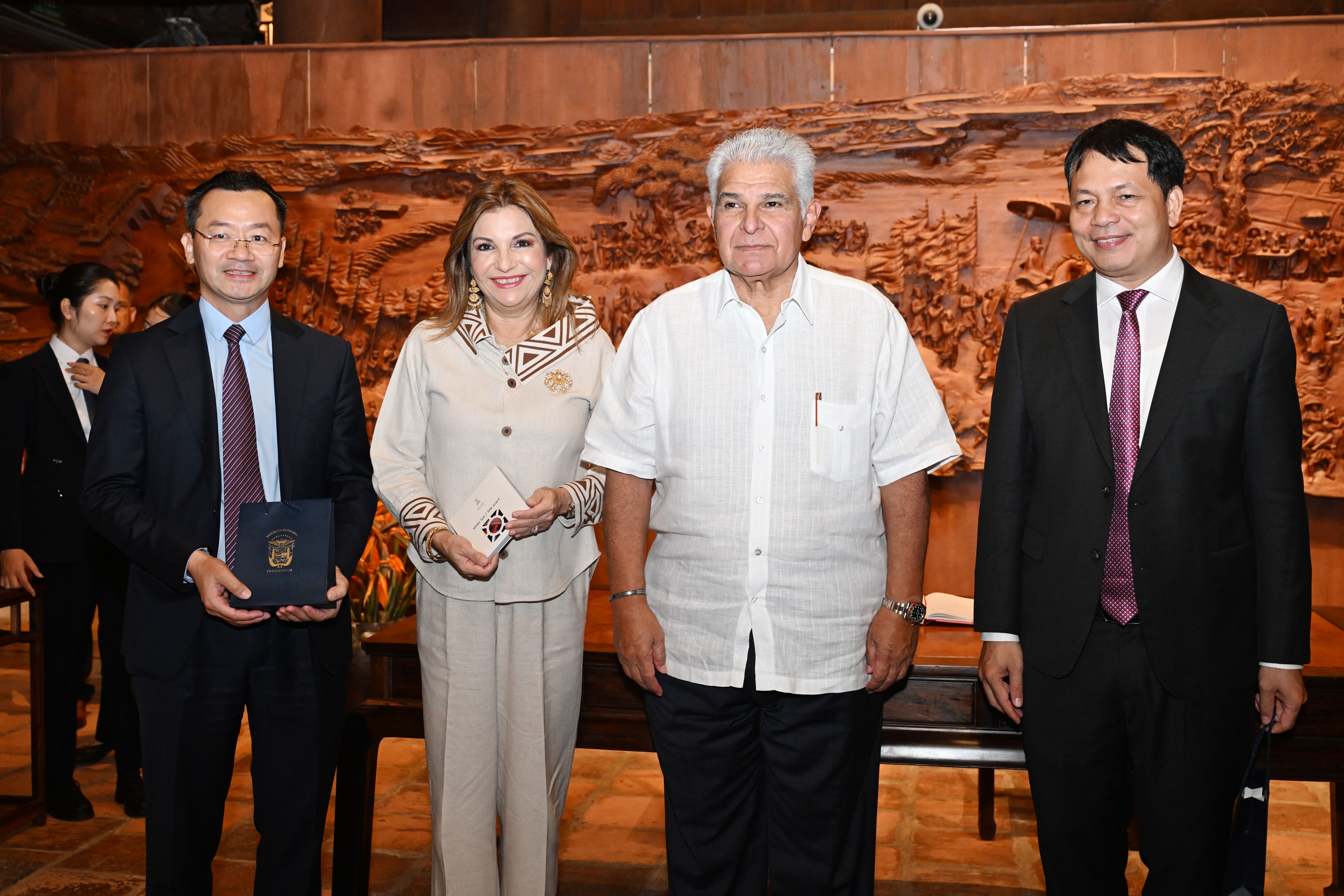
On the morning of 6 October 2026, as part of his official visit to Vietnam, President of the Republic of Panama José Raúl Mulino and First Lady Maricel Cohen de Mulino visited the Special National Monument of Văn Miếu – Quốc Tử Giám. During the visit, the President showed particular interest in the Garden of the Doctors’ Stelae, where he learned about Vietnam’s history of civil service examinations and its long-standing traditions of respect for learning, education, and talent.
08:00 - 09:00, 06.10.2026
Văn Miếu - Quốc Tử Giám

On the morning of 6 October 2026, as part of his official visit to Vietnam, President of the Republic of Panama José Raúl Mulino and First Lady Maricel Cohen de Mulino visited the Special National Monument of Văn Miếu – Quốc Tử Giám. During the visit, the President showed particular interest in the Garden of the Doctors’ Stelae, where he learned about Vietnam’s history of civil service examinations and its long-standing traditions of respect for learning, education, and talent.
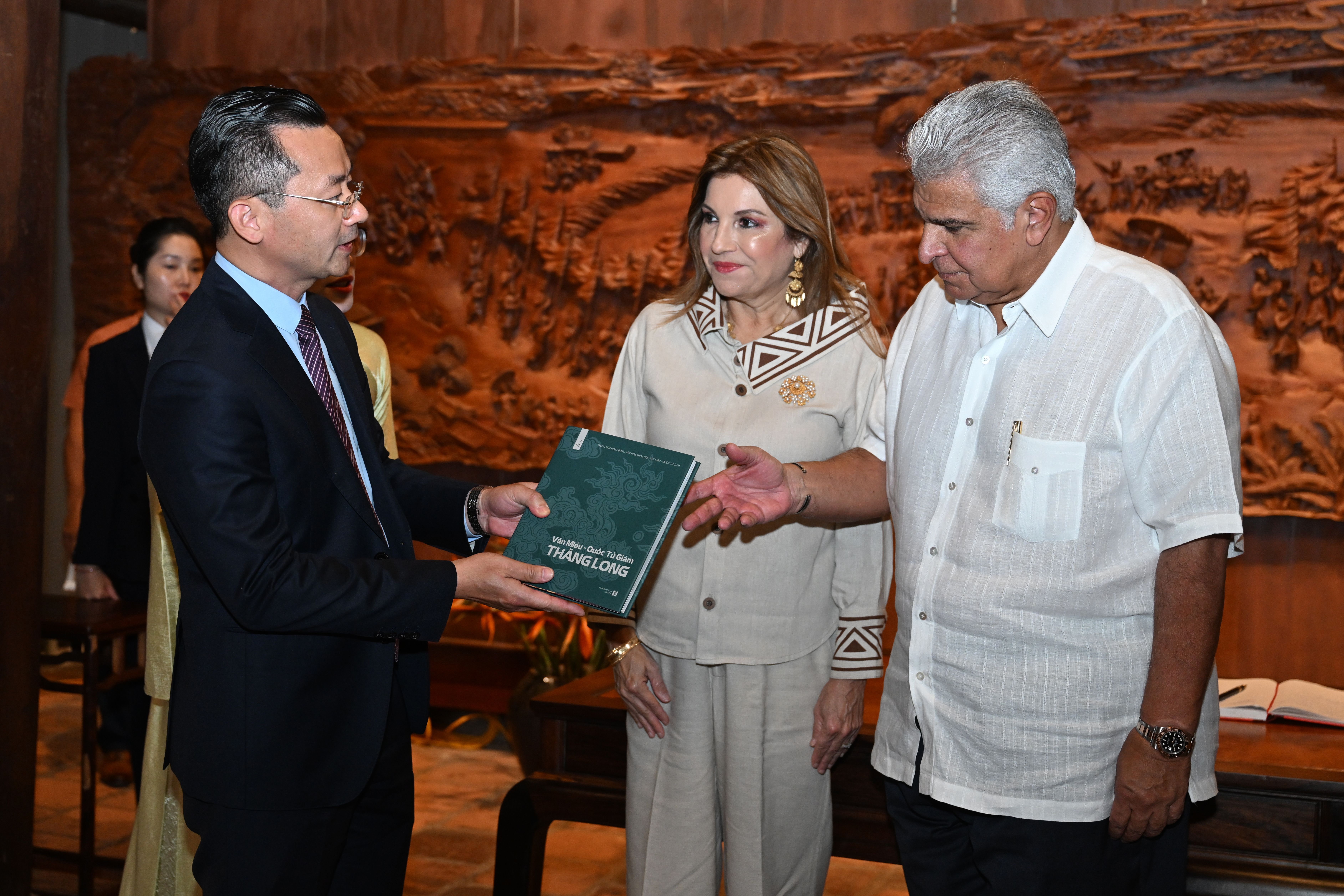
President José Raúl Mulino and the First Lady were welcomed at Văn Miếu – Quốc Tử Giám by Mr. Phạm Xuân Tài, Deputy Director of the Hanoi Department of Culture and Sports, together with representatives of the Center for Cultural and Scientific Activities of Văn Miếu – Quốc Tử Giám.
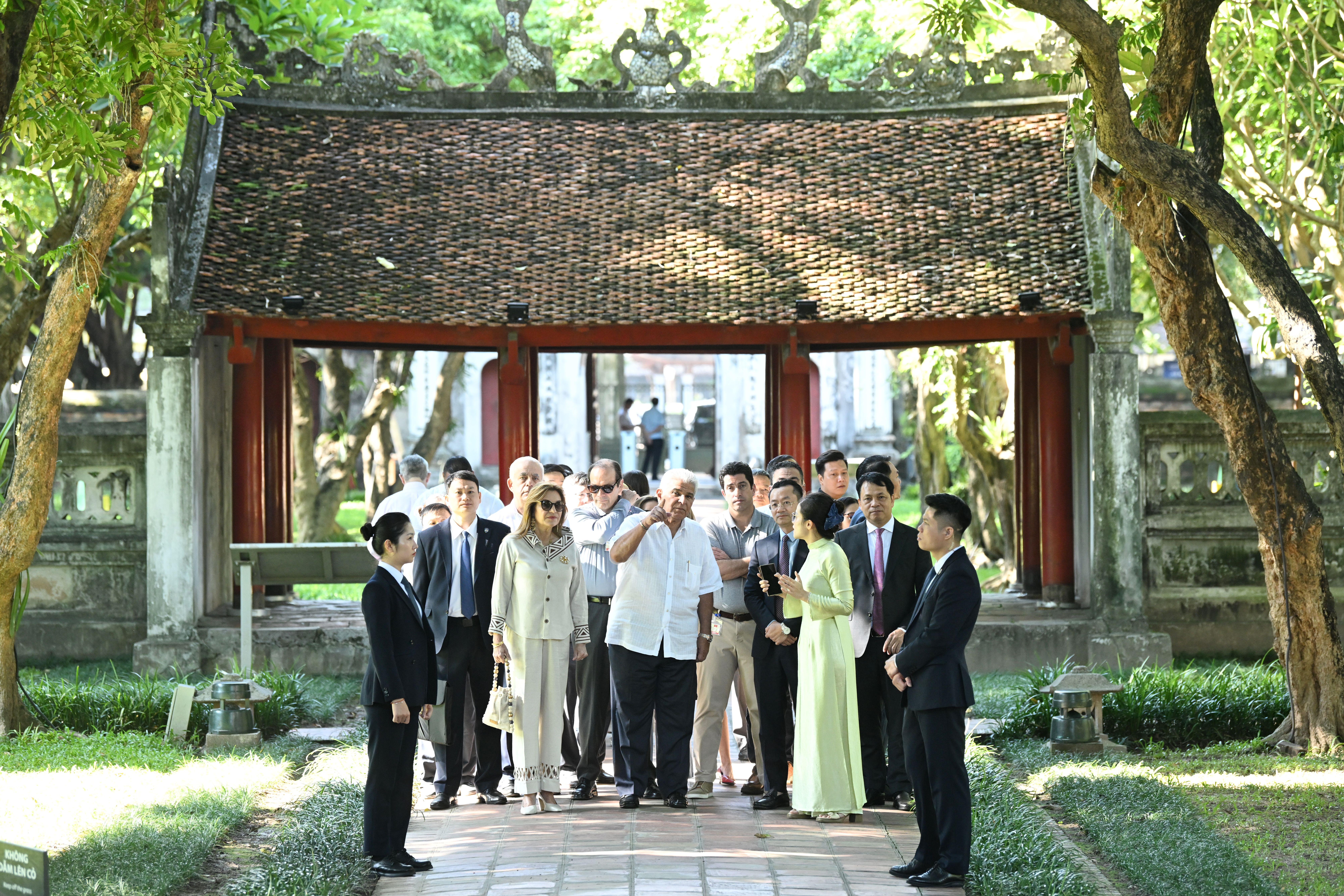
During their visit, President José Raúl Mulino and the First Lady were introduced to the history and development of Văn Miếu – Quốc Tử Giám, a historic site closely associated with Confucian education and Vietnam’s centuries-old tradition of cultivating talent.
At the Garden of the Doctors’ Stelae, the President learned about the collection of 82 stone stelae, which record the names of 1,304 doctoral laureates who passed the royal examinations under the Lê and Mạc dynasties. Beyond commemorating successful scholars, the inscriptions on the stelae provide invaluable historical records of Vietnam’s examination system while reflecting the views of earlier generations on education, the cultivation of talent, and the importance of employing capable individuals.
The President showed particular interest in the long-standing philosophy that emphasizes the vital role of talented individuals in national development. A notable expression of this philosophy appears in the opening lines of the inscription on the Doctors’ Stele for the Nhâm Tuất examination of 1442, erected in 1484: “Talented and virtuous people are the vital essence of the nation.” The statement embodies an enduring belief in the importance of education, intellectuals, and talent to the prosperity of the country.
Over the centuries, this respect for learning and talent has continued to be upheld, becoming an enduring value in Vietnam’s cultural and educational life. The Doctors’ Stelae are therefore not only an important historical record of Vietnam’s examination system, but also a means of passing down ideas about education, the cultivation of talent, and the recognition and employment of capable individuals to future generations.
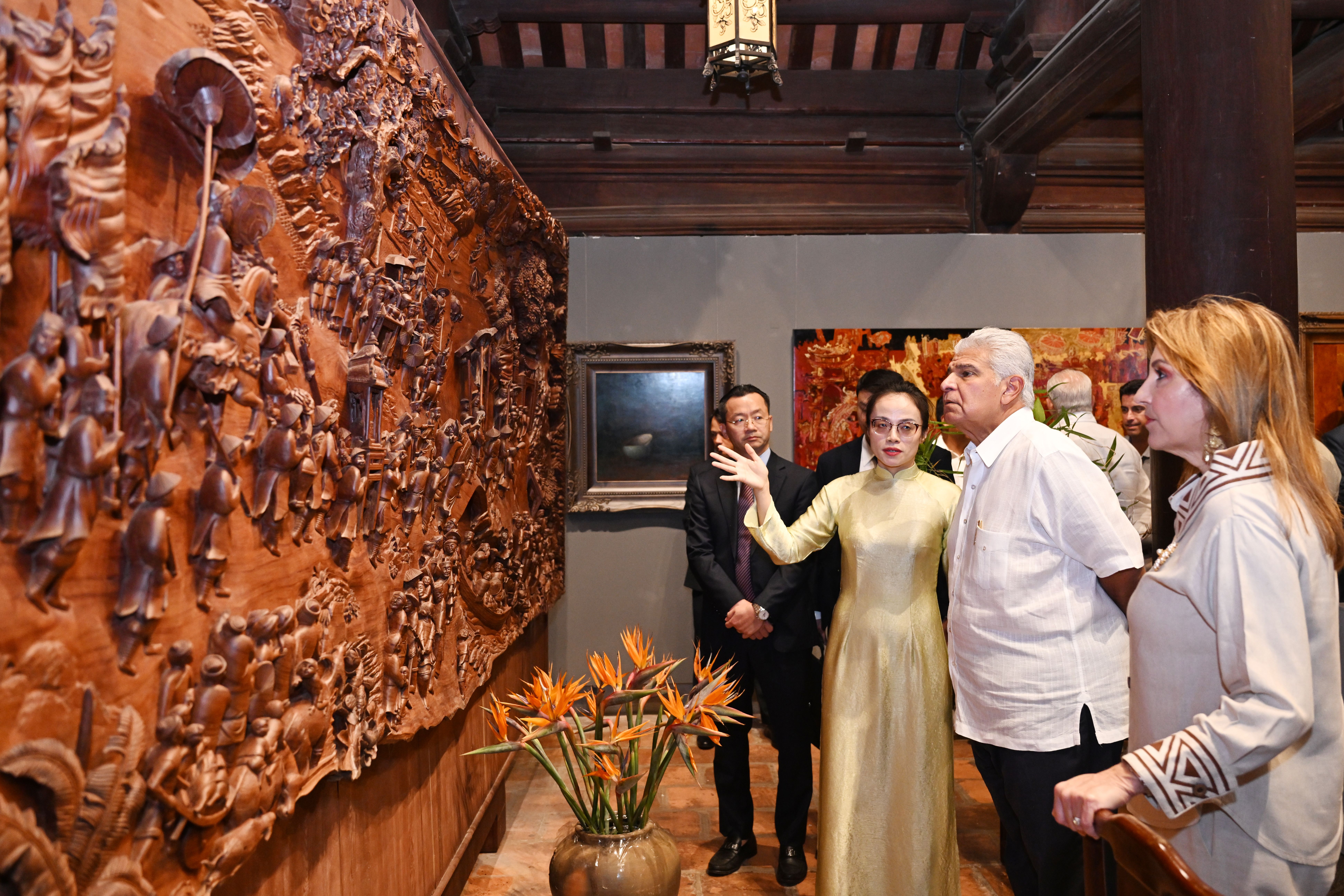
Continuing the story of Vietnam’s traditional education and examination system, at the Tiền Đường Hall in the Thái Học area, President José Raúl Mulino showed great interest in the painting “Vinh quy bái tổ.” The work depicts the journey of a Confucian scholar in the past, from years of study and participation in the examinations to academic success, public recognition, and his return to his native village to pay respect to his ancestors and teachers. The painting reflects the Vietnamese tradition of honoring moral values and, in particular, the principle of “Tôn sư trọng đạo” — respecting teachers and valuing the principles they impart.
Through the story of “Vinh quy bái tổ,” the values of Vietnam’s scholarly tradition are vividly conveyed: a dedication to learning, respect for teachers, and society’s appreciation of those with knowledge and talent. Nurtured over generations, these values continue to be passed down in Vietnam’s cultural and educational life today.
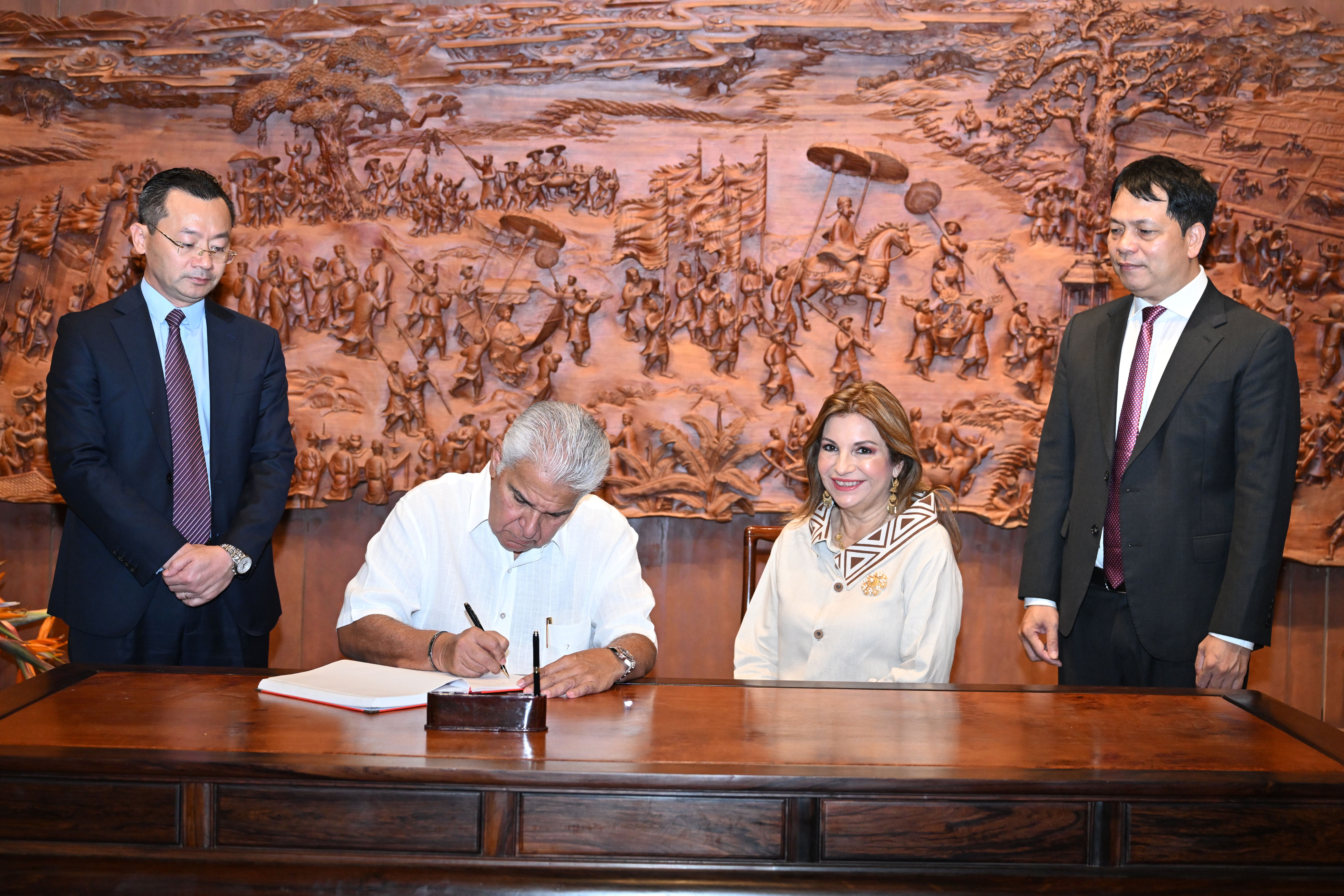
The cultural and educational values preserved at Văn Miếu – Quốc Tử Giám left a deep impression on President José Raúl Mulino. In the guestbook at the site, the President wrote:
“As President of Panama, I am immensely proud to have the opportunity to visit this historic site, a place shaped by the cultural and educational values of the people of the great nation of Vietnam.”
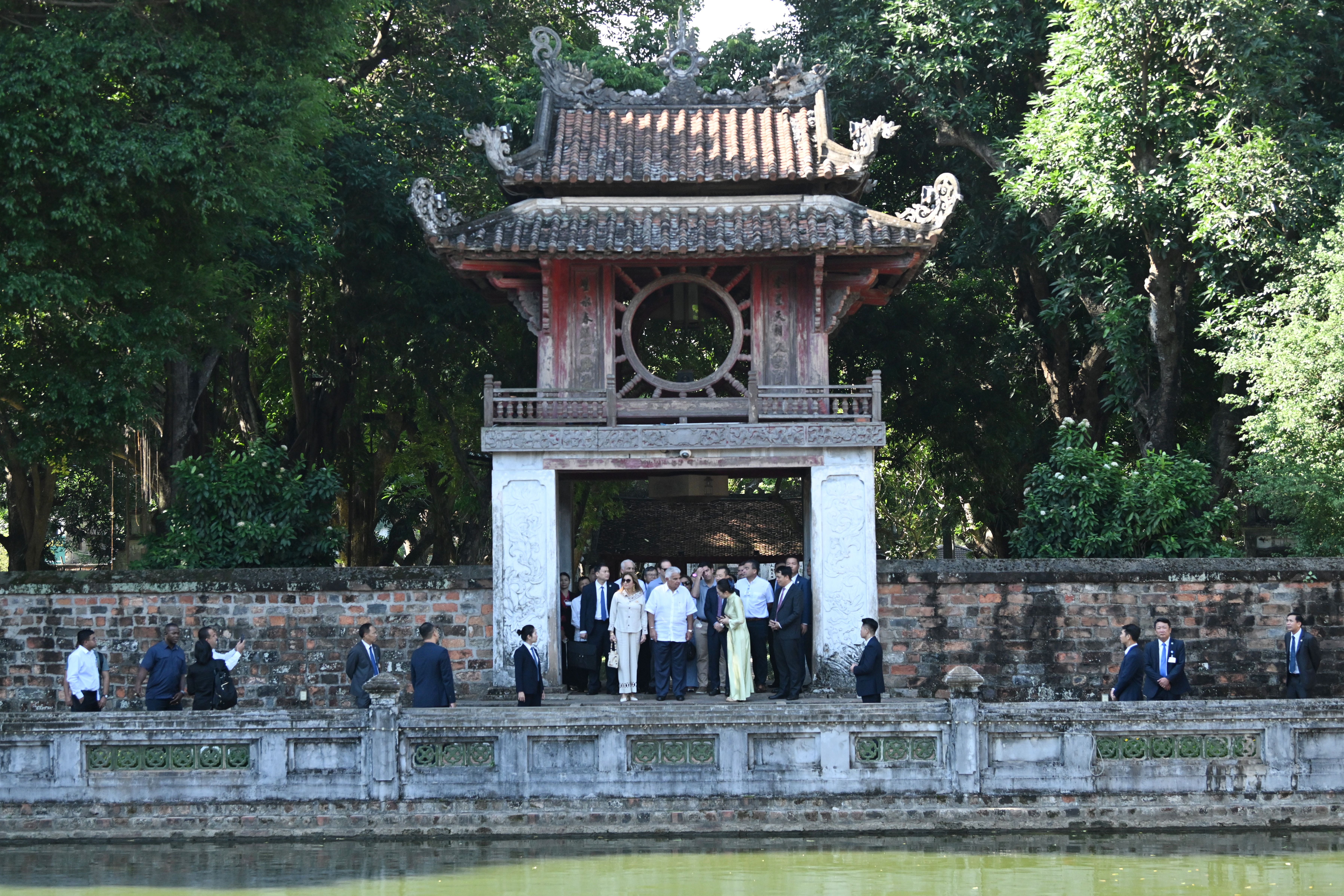
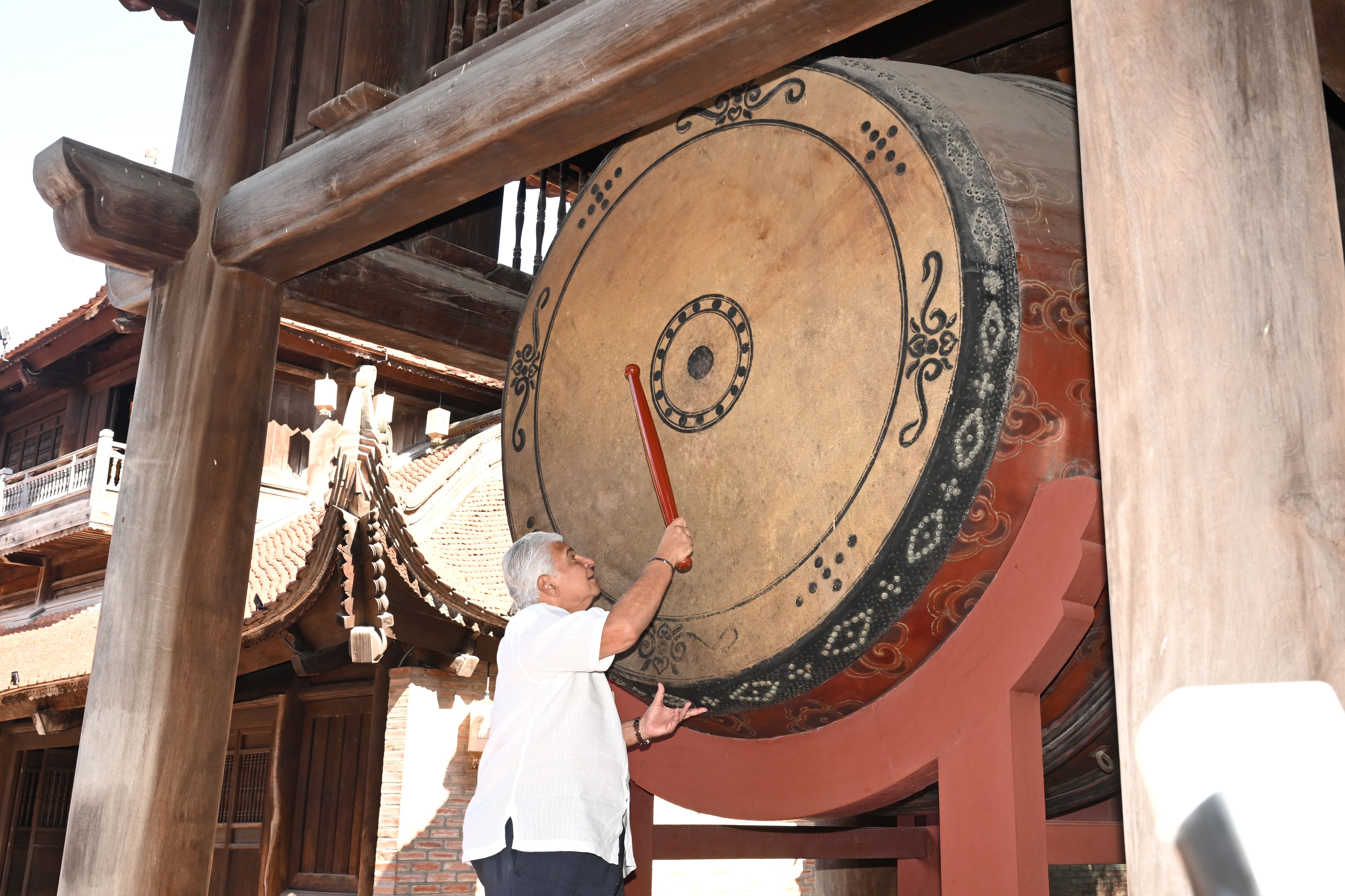
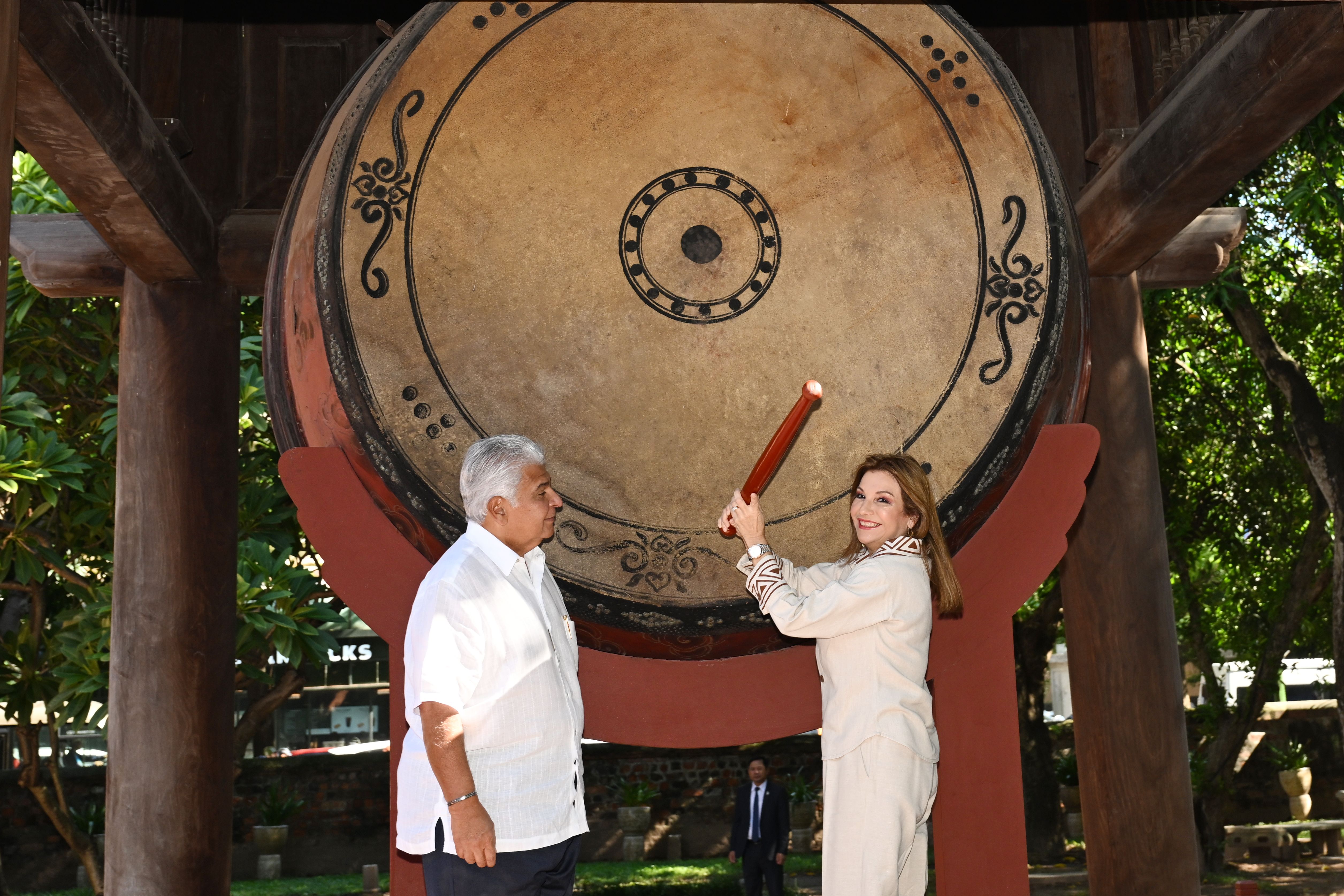
During the visit, the President, the First Lady, and members of the delegation explored some of the monument’s most significant spaces and learned about Quốc Tử Giám — the country’s first national institution of higher learning during the monarchical period, established in 1076 — as well as the historical, cultural, and architectural heritage that has been preserved over the centuries.
Reflecting on the visit, First Lady Maricel Cohen de Mulino wrote:
“We sincerely thank you for your thoughtful welcome and for the meaningful insights you shared with us during this visit. Vietnam will always remain in our hearts.”
The visit to Văn Miếu – Quốc Tử Giám offered President José Raúl Mulino, the First Lady, and members of the delegation a first-hand experience of one of Vietnam’s most significant sites of educational and cultural heritage. Through its historic spaces, artifacts, and stories, the enduring values of learning, scholarship, and respect for talent were brought vividly to life, demonstrating the continuing relevance and vitality of this heritage in contemporary society.
BBP