
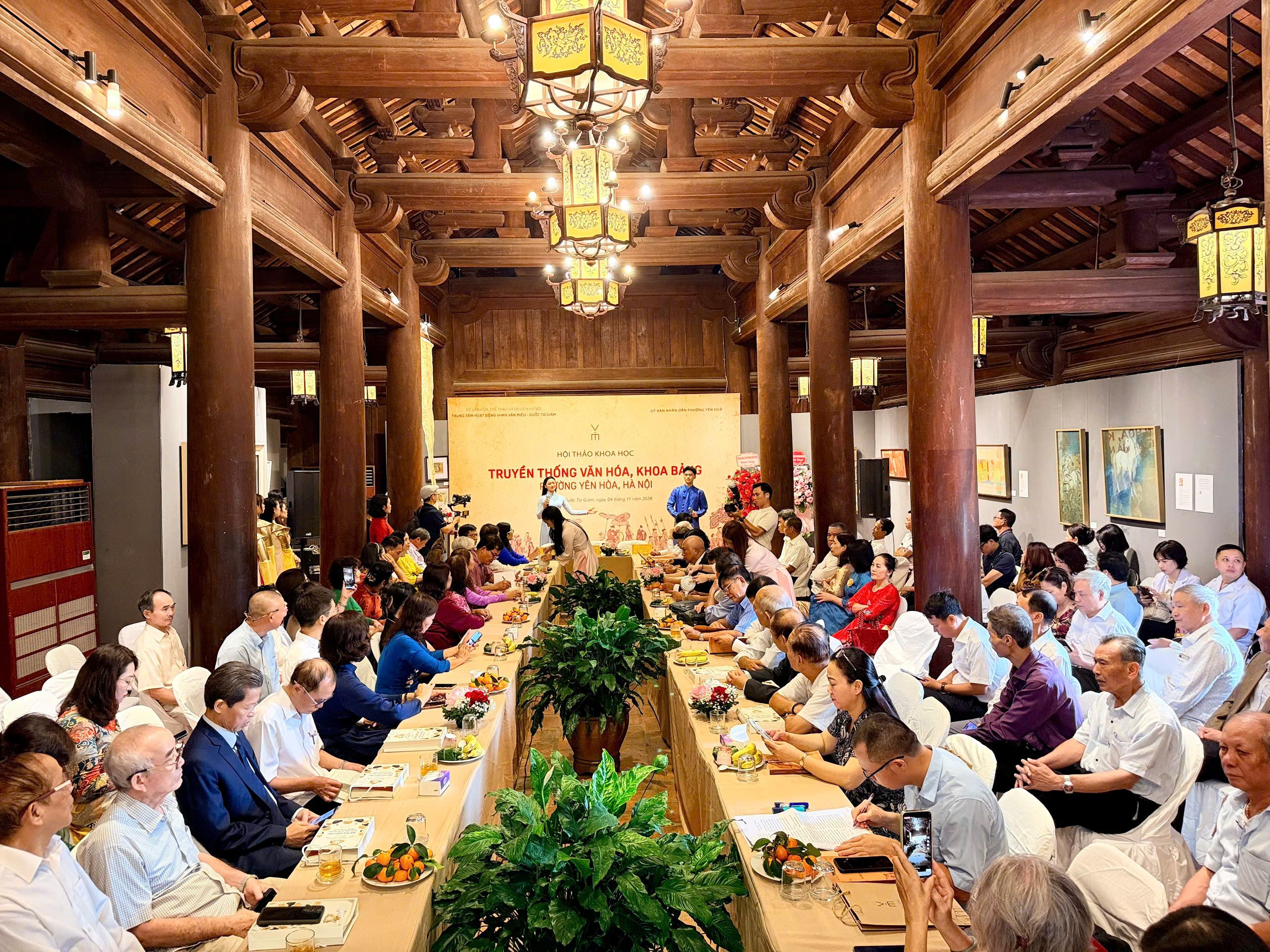
ACADEMIC CONFERENCE ON “THE CULTURAL TRADITIONS AND IMPERIAL EXAMINATION HERITAGE OF YÊN HÒA WARD, HÀ NỘI” AT VĂN MIẾU – QUỐC TỬ GIÁM
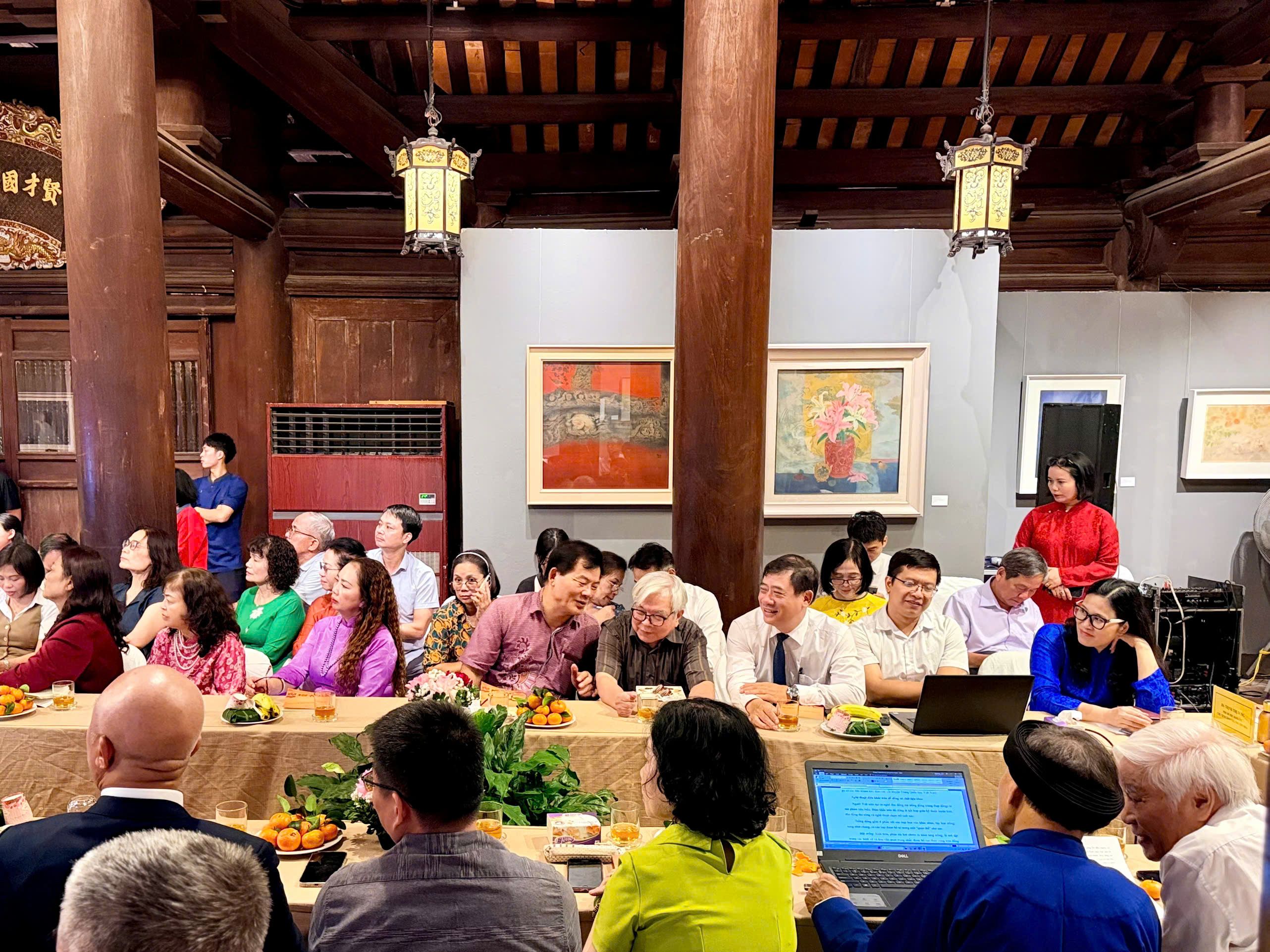
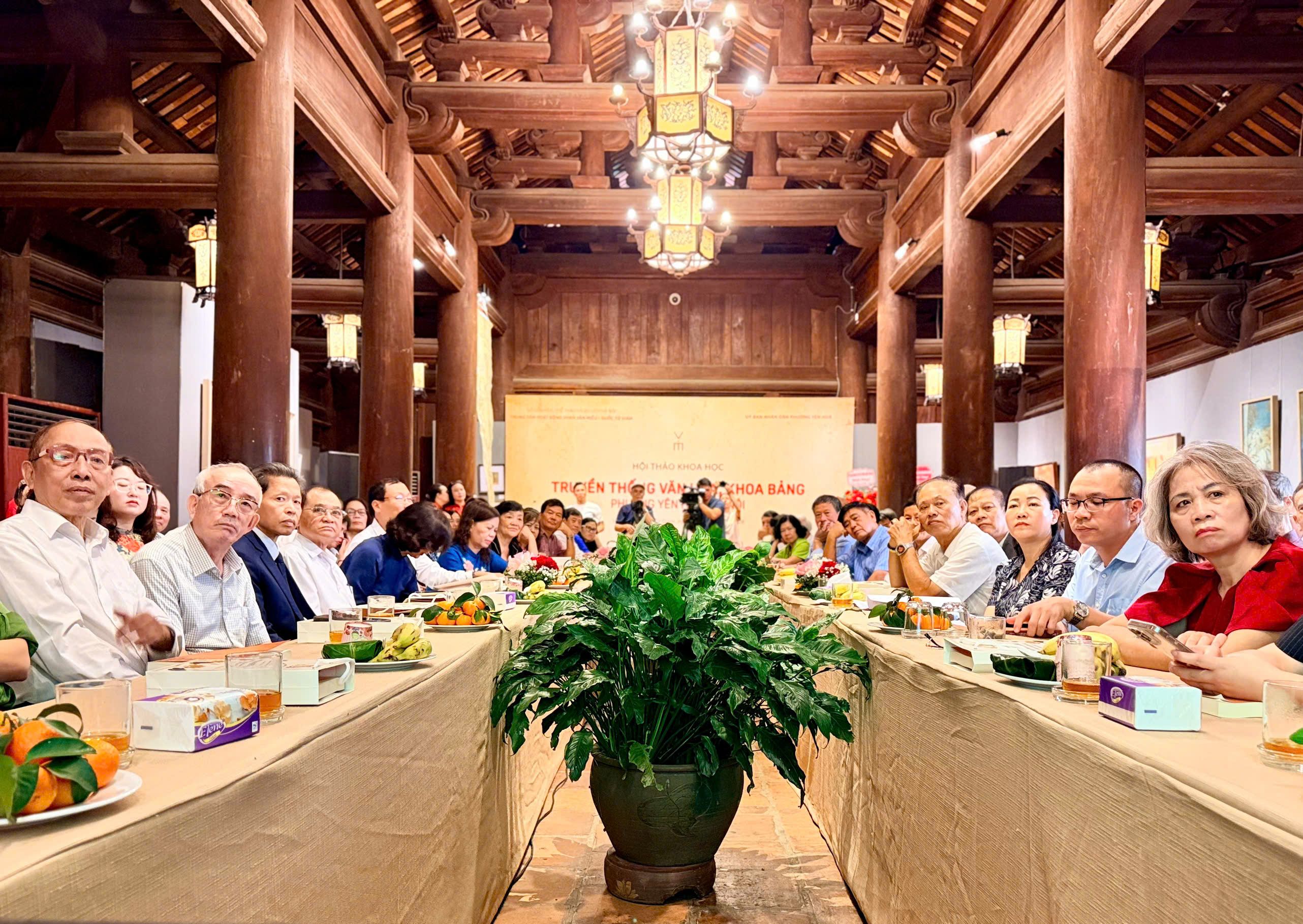
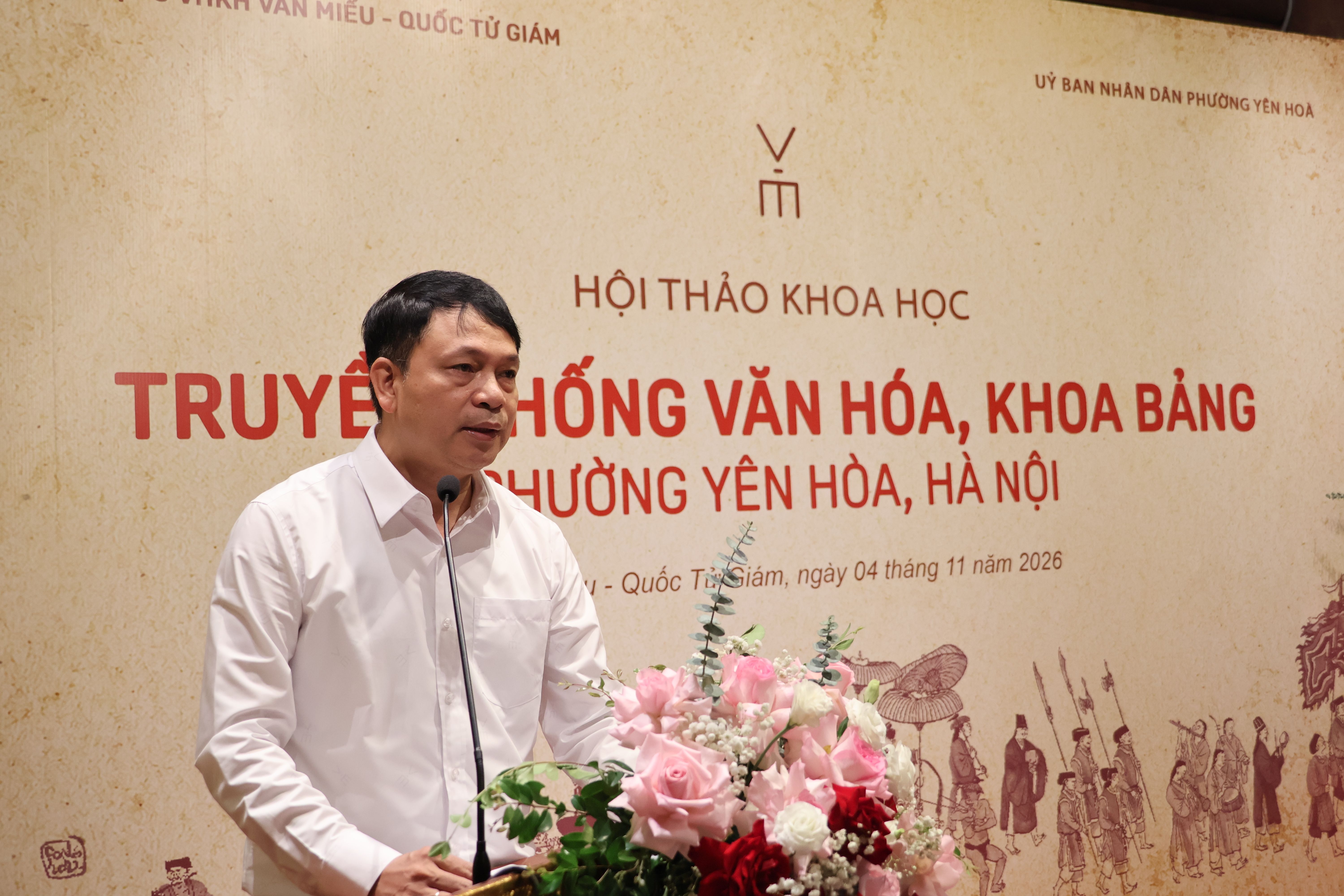
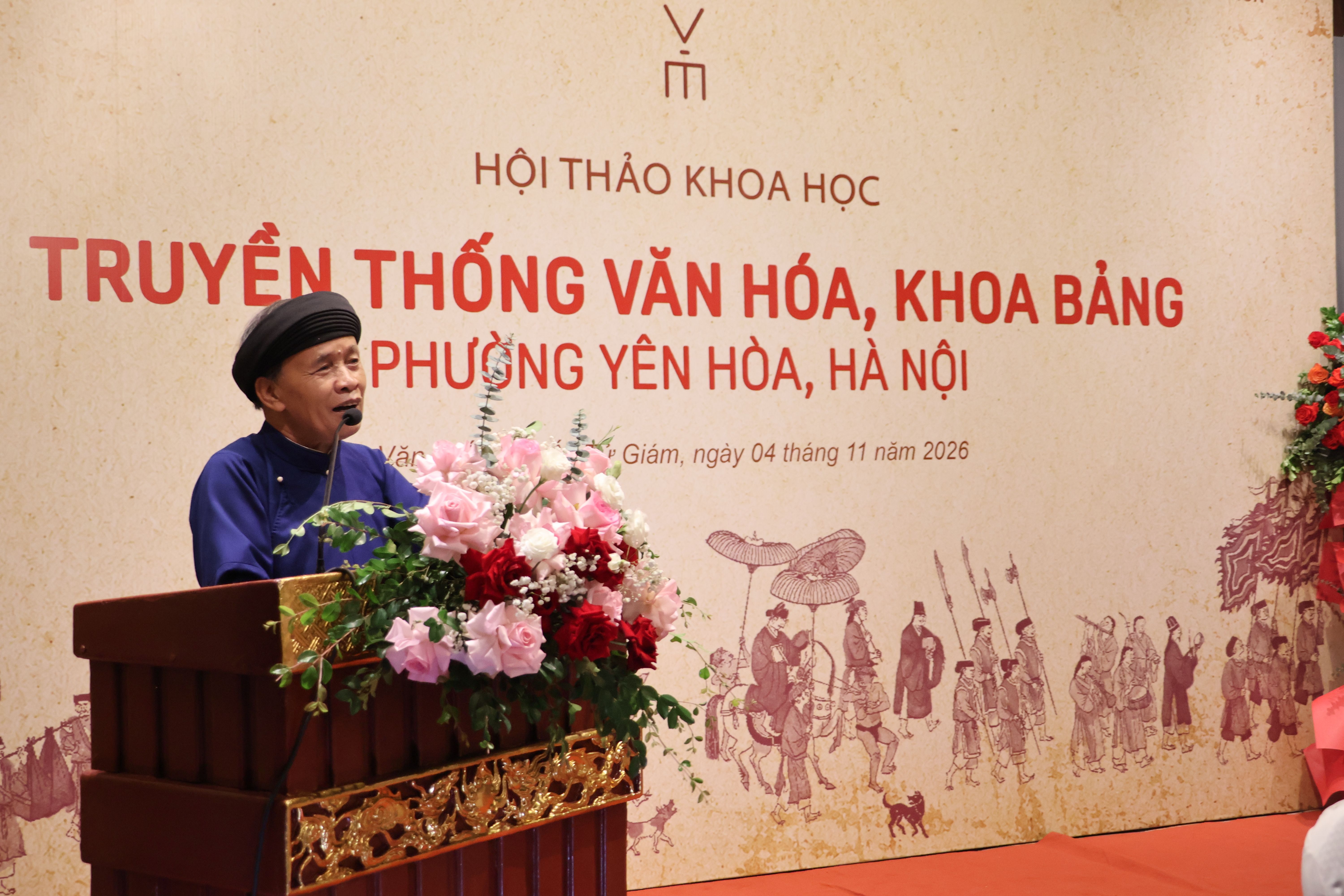
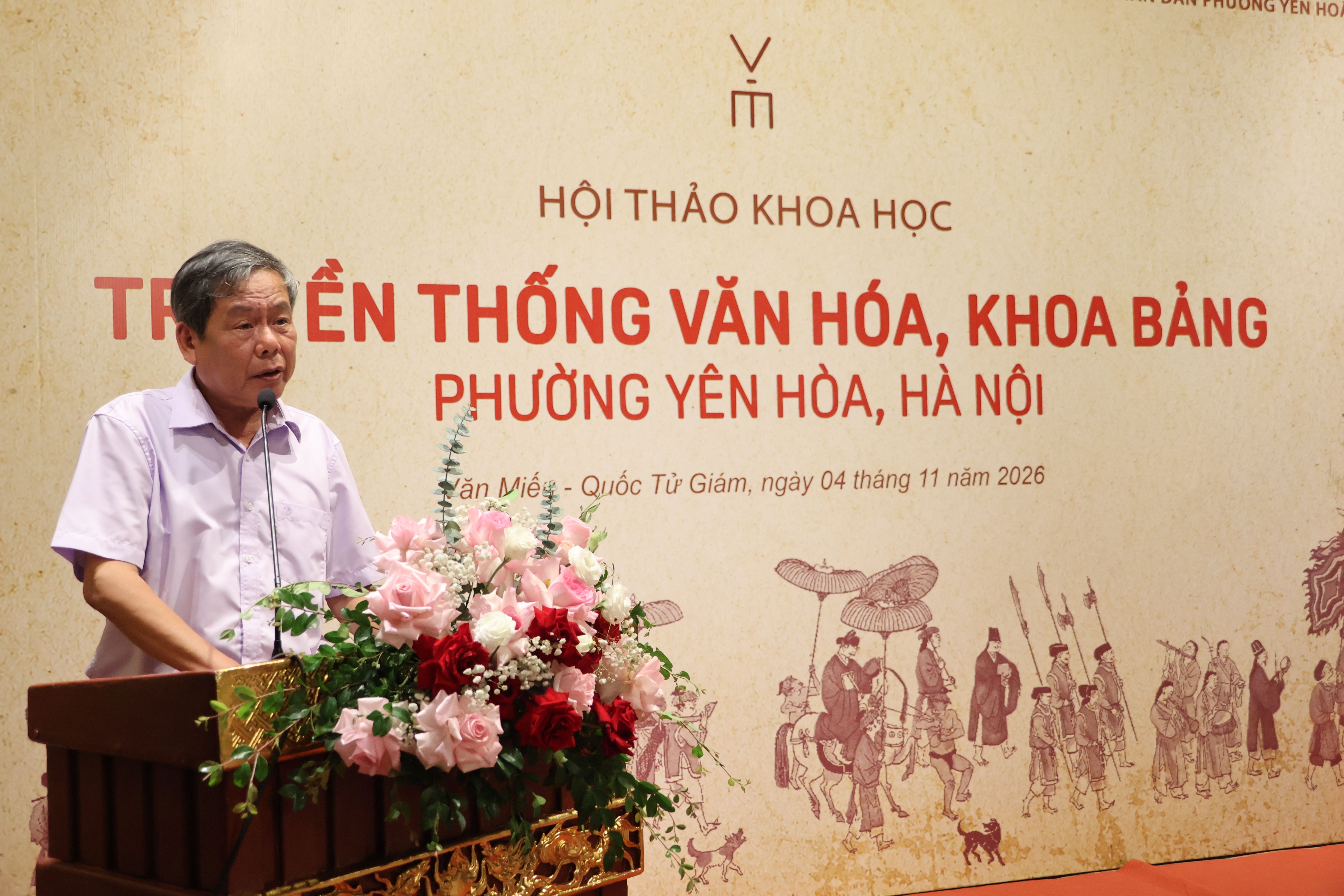
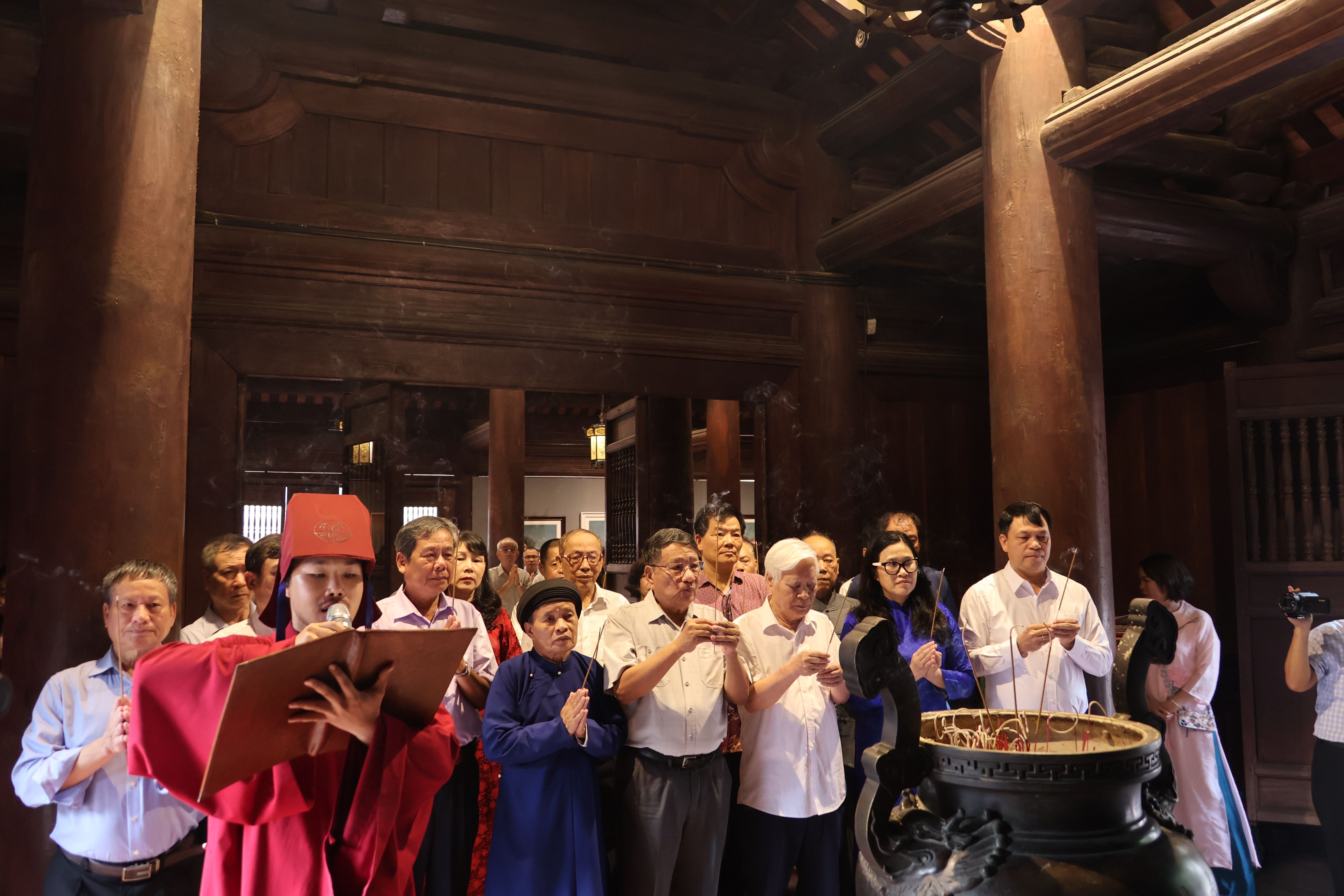
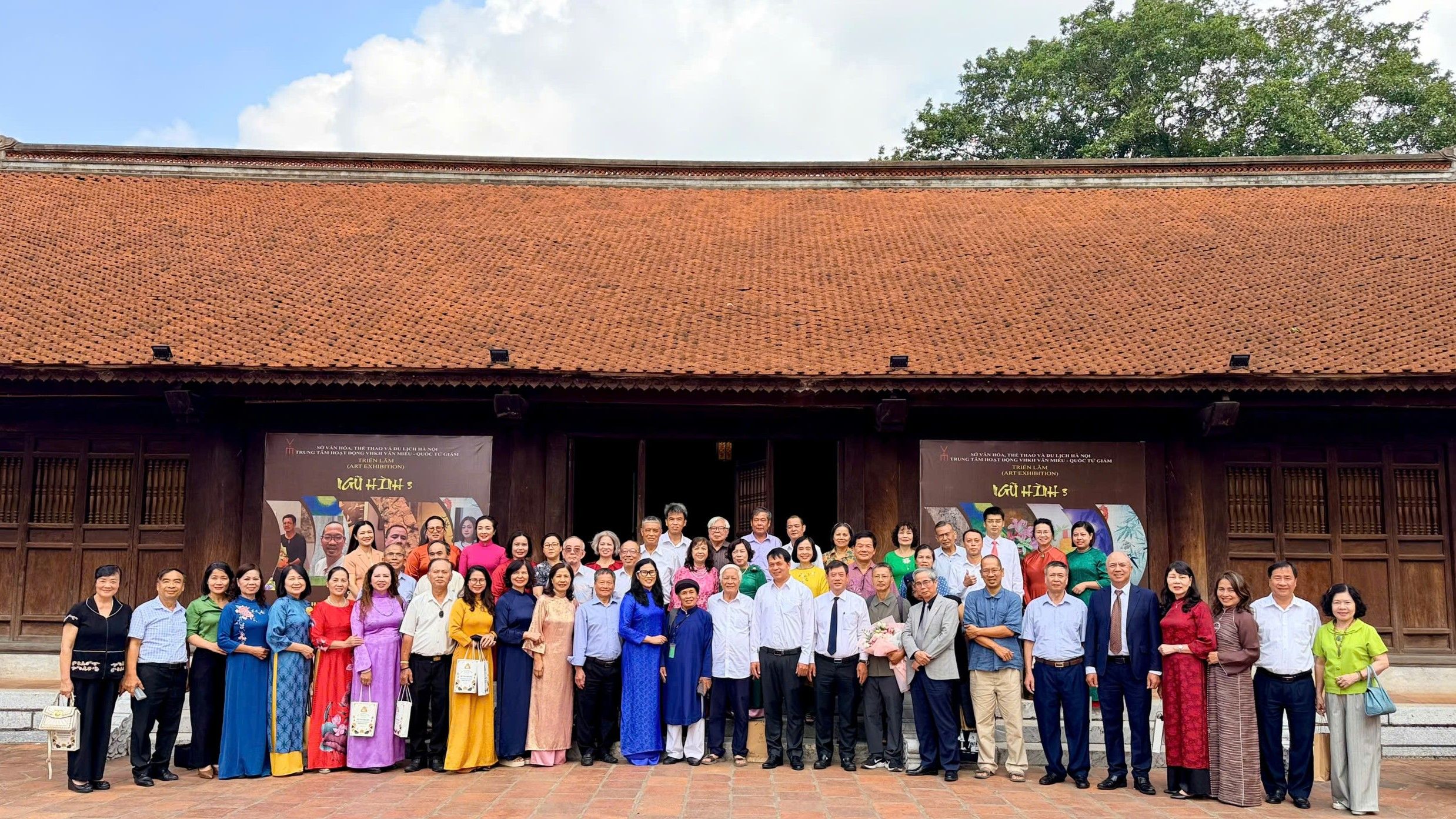
On 4 November 2026, the Centre for Cultural and Scientific Activities of Văn Miếu – Quốc Tử Giám, in collaboration with the People's Committee of Yên Hòa Ward, organised an academic conference entitled “The Cultural Traditions and Imperial Examination Heritage of Yên Hòa Ward, Hà Nội” at the Văn Miếu – Quốc Tử Giám Special National Monument.
08:00 - 11:00, 04.11.2026
Thái Học Hall

On 4 November 2026, the Centre for Cultural and Scientific Activities of Văn Miếu – Quốc Tử Giám, in collaboration with the People's Committee of Yên Hòa Ward, organised an academic conference entitled “The Cultural Traditions and Imperial Examination Heritage of Yên Hòa Ward, Hà Nội” at the Văn Miếu – Quốc Tử Giám Special National Monument.
The conference formed part of a series of events commemorating the 950th anniversary of the founding of Quốc Tử Giám (1076–2026). It aimed to highlight the historical and cultural values of Yên Hòa, particularly its tradition of success in the imperial examinations, while proposing measures to preserve and promote its heritage in contemporary life.
The conference received 26 research papers examining the local tradition of respect for learning, the contributions of distinguished scholars who succeeded in the imperial examinations, the values of tangible and intangible cultural heritage, and approaches to promoting Yên Hòa's cultural and educational traditions in contemporary society.
The papers addressed three main themes.
The first theme focused on Yên Hòa's tradition of respect for learning and its distinguished scholars of the imperial examination system. The studies explored the lives, careers and contributions of these scholars to their homeland and the country. They also examined the roles of families, scholarly lineages and village communities in nurturing the tradition of learning and fostering generations of successful examination candidates, thereby identifying the factors that shaped the area's longstanding tradition of respect for learning.
The second theme examined Yên Hòa Ward's tangible and intangible cultural heritage. Through research into historical sites, architectural and artistic heritage, Hán–Nôm sources, traditional festivals and religious practices, the papers contributed to a more comprehensive understanding of the area's cultural heritage. They also proposed approaches to its preservation and promotion that are appropriate to present-day development conditions.
The third theme explored ways to promote Yên Hòa's cultural and educational traditions in contemporary life. The studies discussed incorporating historical and cultural values, together with the area's tradition of success in the imperial examinations, into community education. They also highlighted the roles of heritage sites, family lineages and cultural institutions in fostering respect for learning and strengthening young people's sense of responsibility towards their homeland and country.
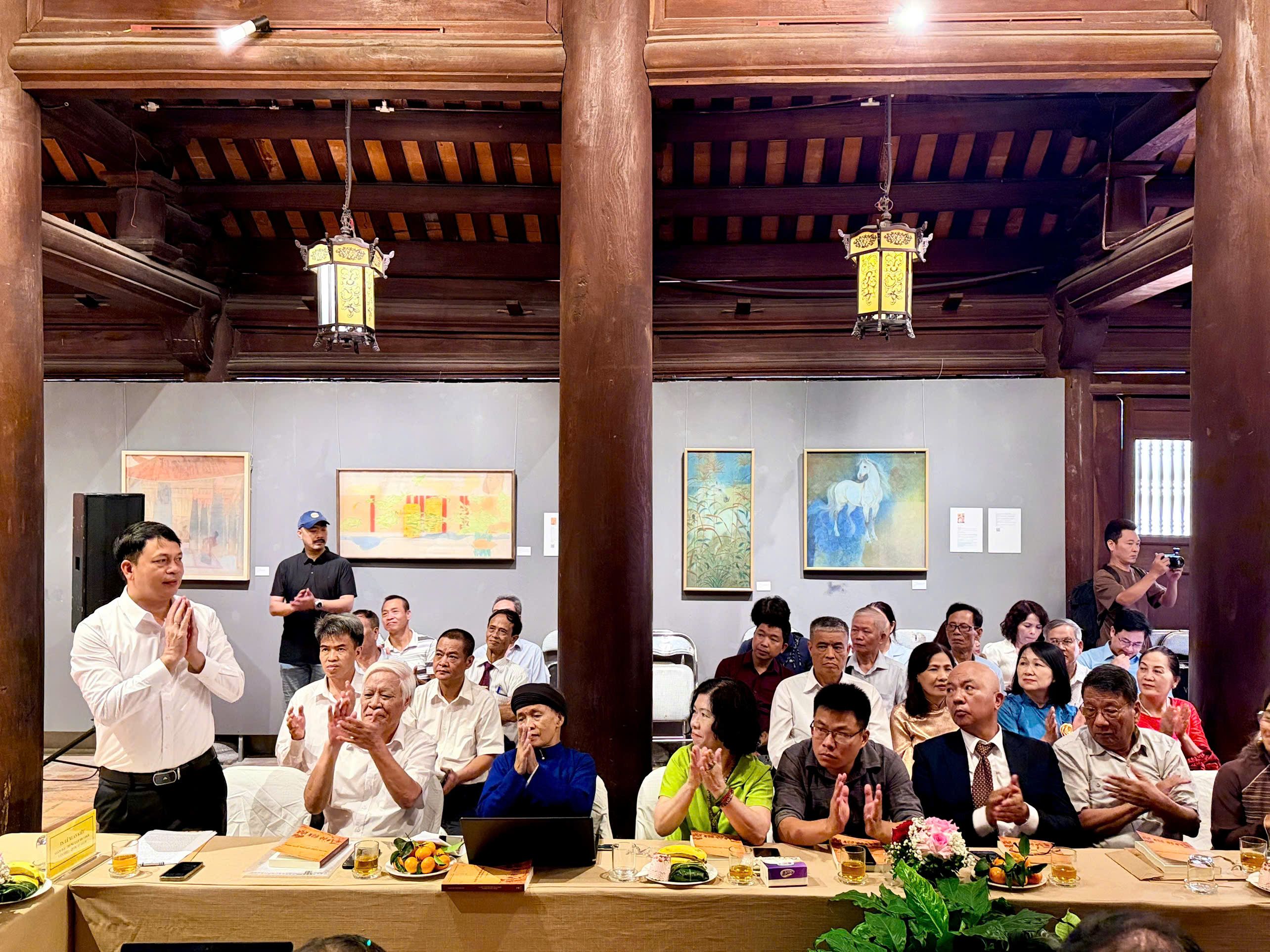
In his introductory address, Mr Lê Xuân Kiêu of the Centre for Cultural and Scientific Activities of Văn Miếu – Quốc Tử Giám stated:
“In the present context, as national development places increasingly high demands on the quality of human resources, researching, preserving and promoting Yên Hòa's tradition of success in the imperial examinations has become particularly meaningful and relevant. This conference helps reaffirm the contributions of Yên Hòa's distinguished scholars, family lineages and local communities to the cultural and educational history of Thăng Long – Hà Nội. In doing so, it further nurtures pride in the area's traditions, inspires a commitment to heritage preservation, and encourages the aspiration to carry forward the valuable legacy of previous generations in contemporary life.”
Yên Hòa has a rich tradition of respect for learning. Over successive dynasties, the area produced 11 scholars who achieved distinction in the higher levels of the imperial examination system, along with hundreds of cử nhân, hương cống, tú tài and students of Quốc Tử Giám.
Among its distinguished figures were Hoàng Quán Chi, regarded as the first scholar from the former Từ Liêm region to achieve success in the imperial examinations, and Hoàng giáp Nguyễn Như Uyên, who served as Tế tửu (head of Quốc Tử Giám) during the reign of Emperor Lê Thánh Tông.
The conference provided an opportunity for further research into and a deeper understanding of Yên Hòa's historical and cultural values and its tradition of success in the imperial examinations. It also contributed to promoting respect for learning and strengthening public awareness of the importance of preserving and promoting cultural heritage.
TL: LH