
ACADEMIC CONFERENCE ON “NGÔ THÌ NHẬM (1746–1803) AND THE NGÔ THÌ LINEAGE’S TRADITION OF SUCCESS IN THE IMPERIAL EXAMINATIONS IN TẢ THANH OAI VILLAGE (HÀ NỘI)”
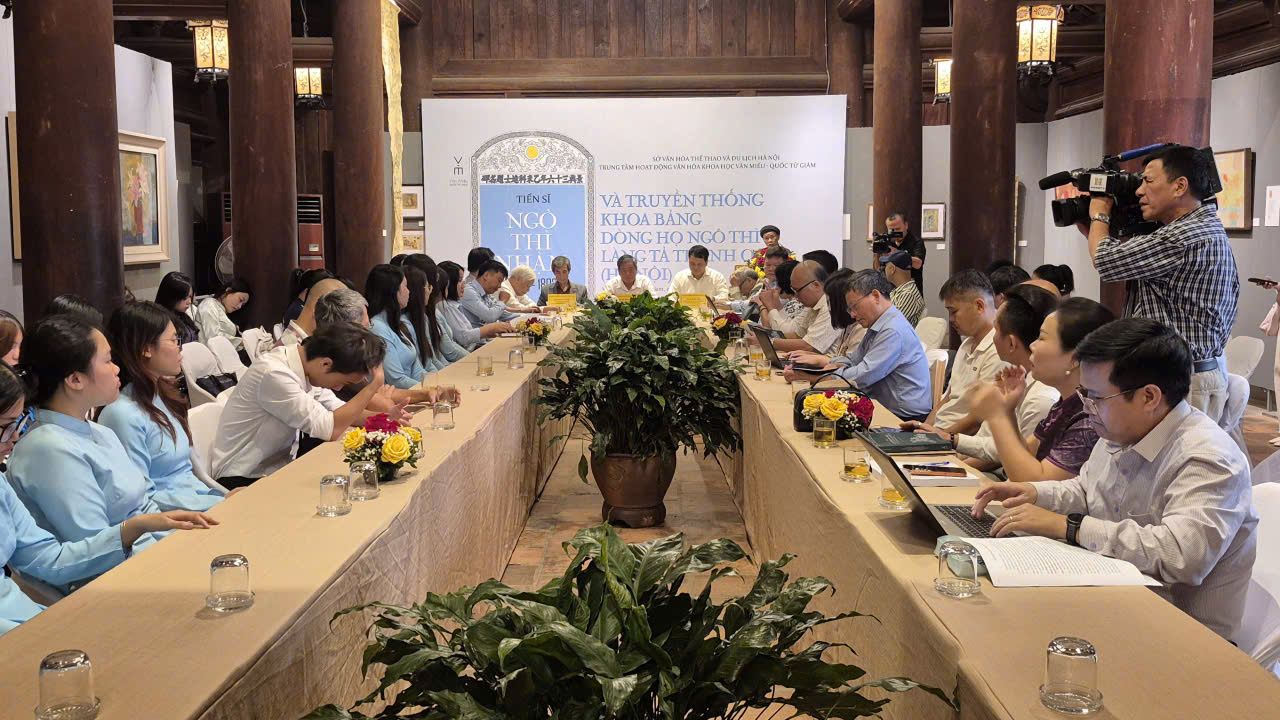
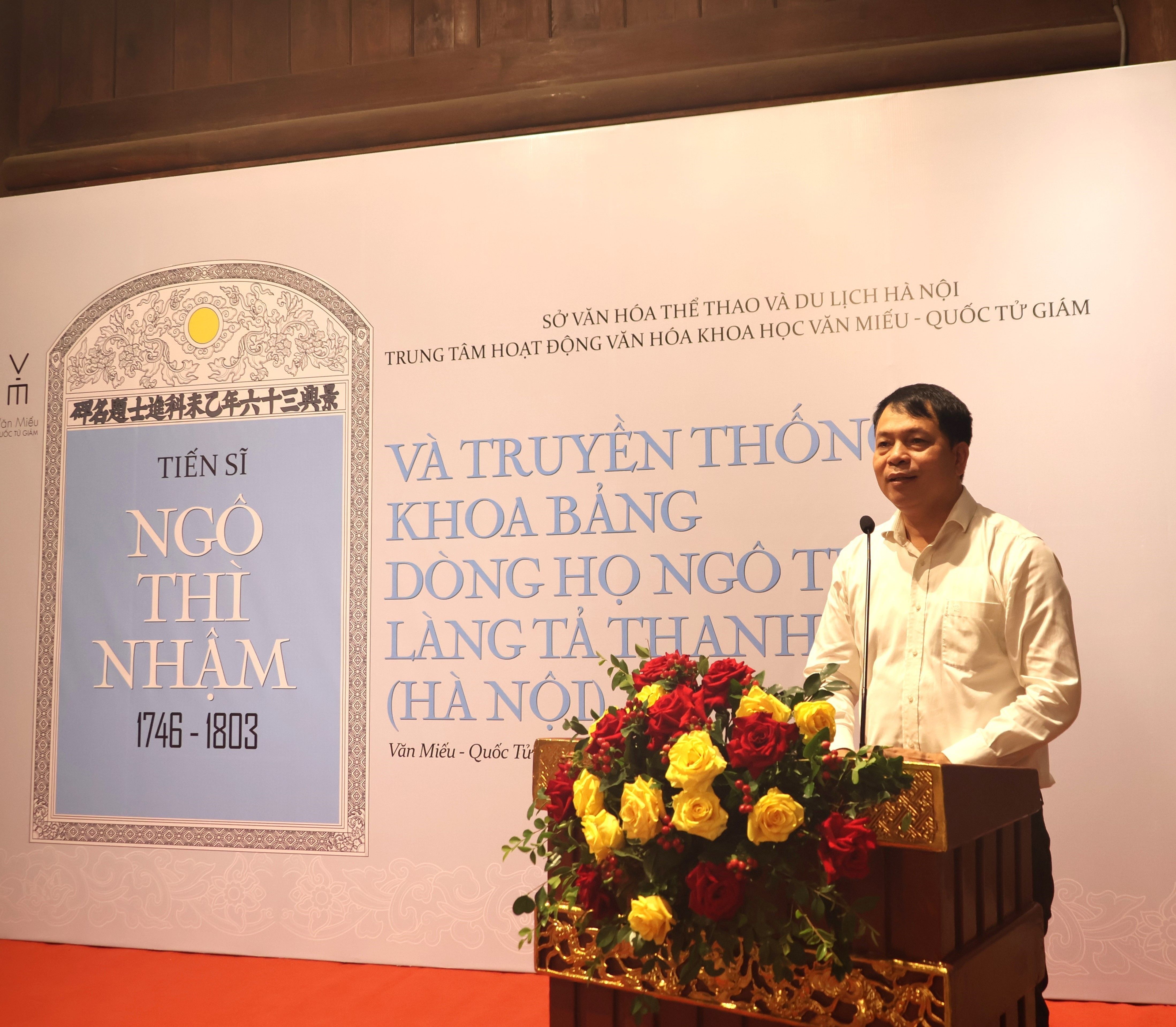
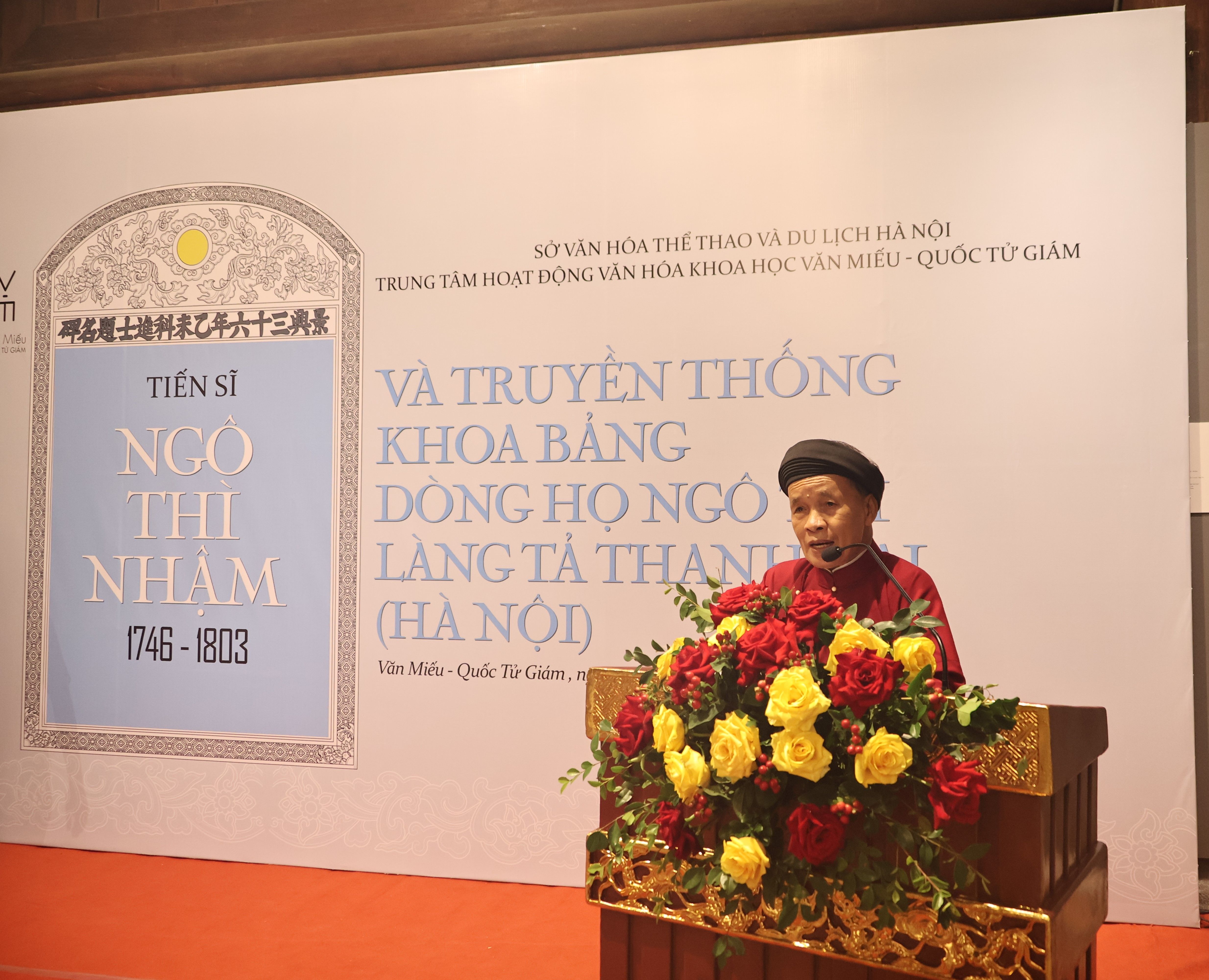
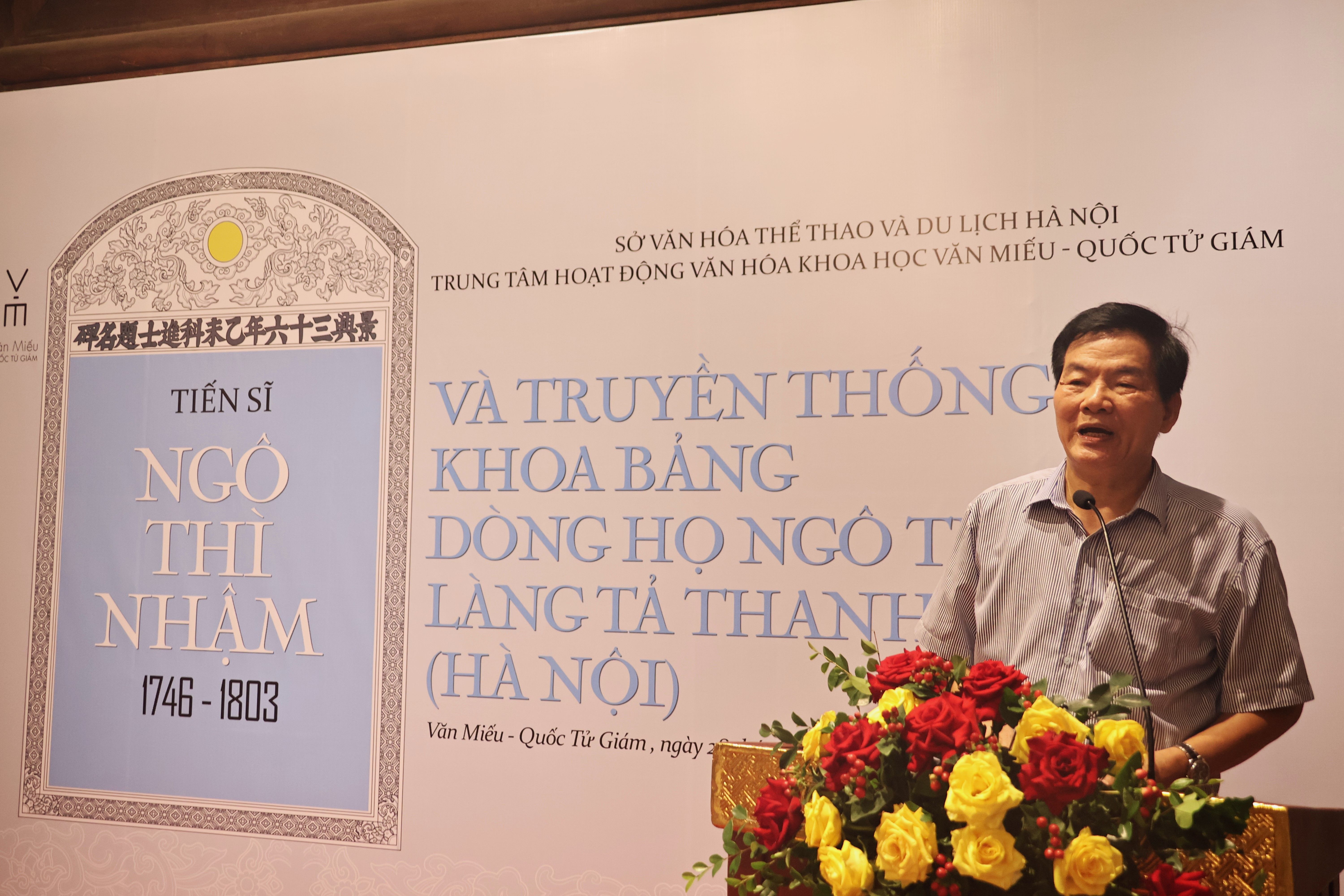
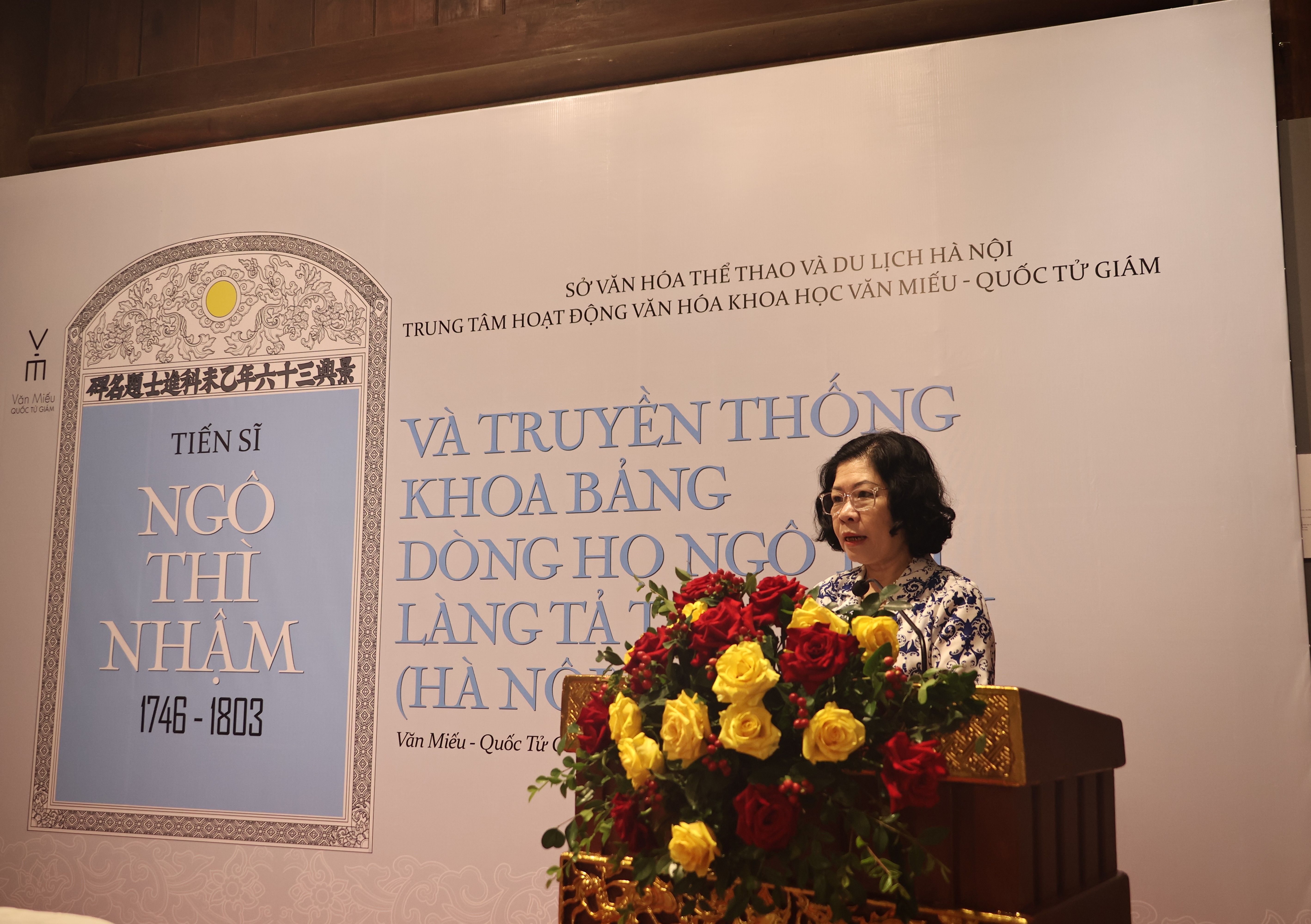
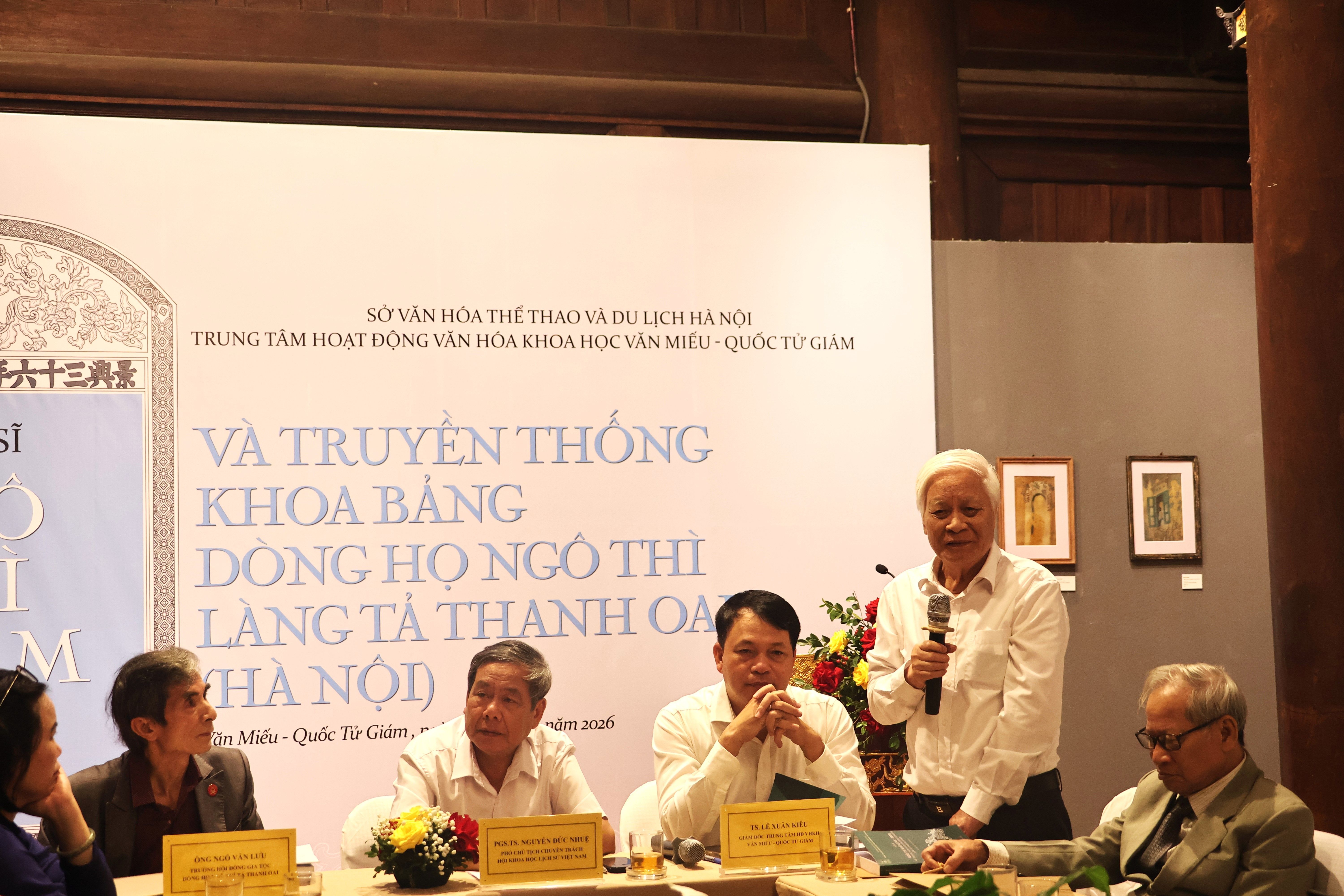
In the lead-up to the 950th anniversary of the founding of Quốc Tử Giám (1076–2026) and the 280th anniversary of the birth of Ngô Thì Nhậm (1746–1803), a doctoral graduate of the imperial examination system, the Centre for Cultural and Scientific Activities of Văn Miếu – Quốc Tử Giám organised an academic conference entitled “Ngô Thì Nhậm (1746–1803) and the Ngô Thì Lineage’s Tradition of Success in the Imperial Examinations in Tả Thanh Oai Village (Hà Nội)”.
09:00 - 11:30, 28.10.2026
Thái Học Hall

In the lead-up to the 950th anniversary of the founding of Quốc Tử Giám (1076–2026) and the 280th anniversary of the birth of Ngô Thì Nhậm (1746–1803), a doctoral graduate of the imperial examination system, the Centre for Cultural and Scientific Activities of Văn Miếu – Quốc Tử Giám organised an academic conference entitled “Ngô Thì Nhậm (1746–1803) and the Ngô Thì Lineage’s Tradition of Success in the Imperial Examinations in Tả Thanh Oai Village (Hà Nội)”.
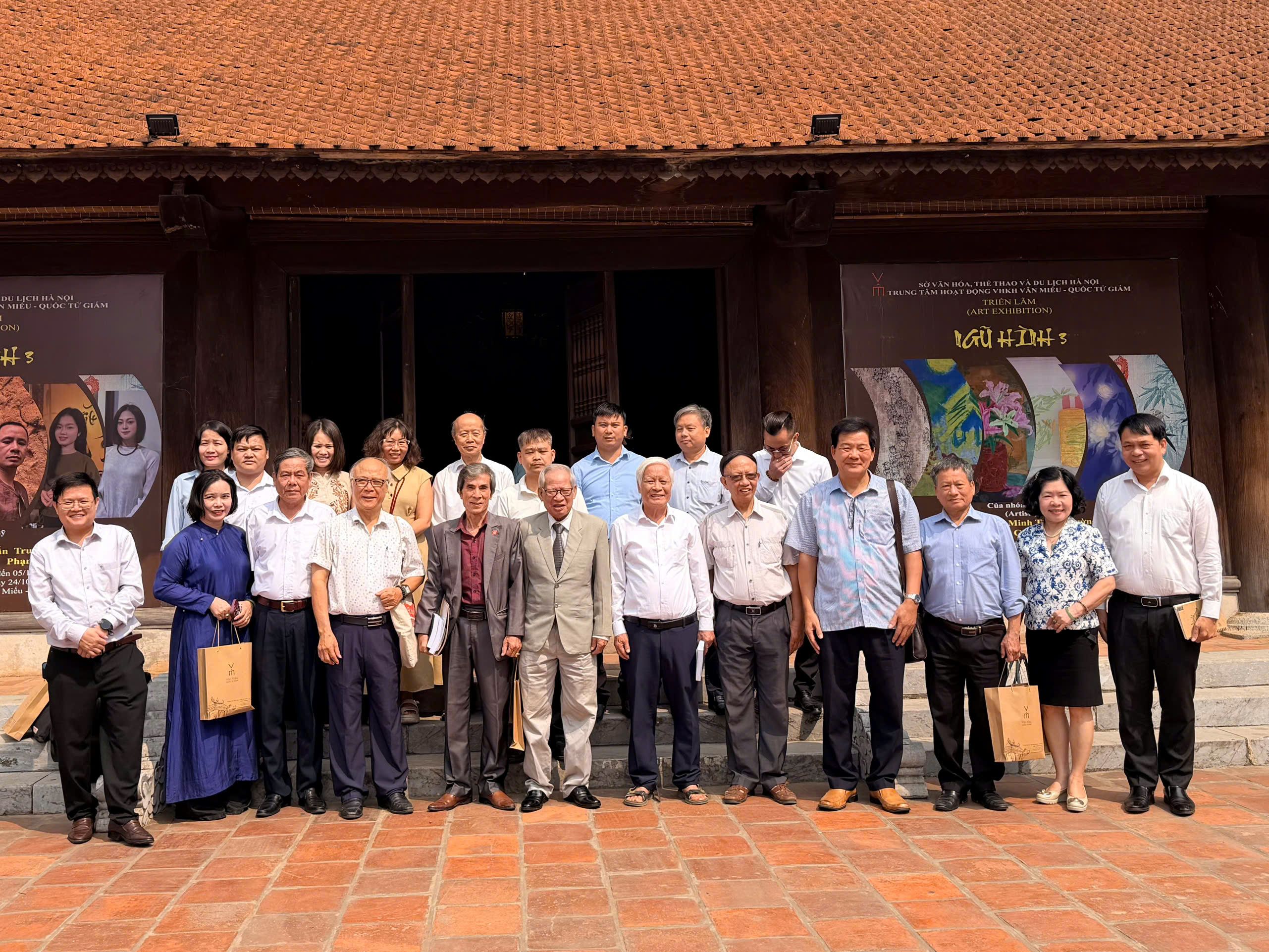
The conference was attended by Dr Nguyễn Viết Chức, former Deputy Chair of the National Assembly’s Committee for Culture and Education; Dr Phan Đăng Long, Vice President of the Hanoi Historical Association; Dr Nguyễn Hữu Mùi, Deputy Director of the Thăng Long Cultural Research Institute; Associate Professor Dr Nguyễn Đức Nhuệ, Vice President of the Vietnam Association of Historical Sciences; Dr Lê Quang Chắn, Deputy Director of the Institute of History; Associate Professor Dr Bùi Xuân Đính of the Vietnam Association of Ethnology and Anthropology; Associate Professor Dr Nguyễn Thị Phương Chi of the Institute for Human Resource Development and Cultural Studies; and Associate Professor Dr Nguyễn Công Lý of the University of Social Sciences and Humanities, Vietnam National University Ho Chi Minh City.
Other participants included representatives of research institutions and scholars; the Board of Directors of the Centre for Cultural and Scientific Activities of Văn Miếu – Quốc Tử Giám; descendants of the Ngô lineage from Tả Thanh Oai Village; researchers from the Institute of History, the Institute of Hán-Nôm Studies and the Institute of Literature; and students from the University of Social Sciences and Humanities, Vietnam National University Hanoi, Đại Nam University and other institutions.
Founded in 1076 under the Lý dynasty, Quốc Tử Giám marked an important milestone in the history of Vietnamese education, reflecting the state’s commitment to the education and development of talented individuals. Over the centuries, Quốc Tử Giám, together with the wider education and imperial examination systems, helped foster Vietnam’s longstanding traditions of respect for learning, reverence for teachers and the recognition and appointment of talented individuals. It educated generations of scholars who made significant contributions to the nation’s development and defence.
Thăng Long – Hà Nội has long been a major political, cultural and educational centre of Vietnam, home to numerous villages renowned for their achievements in the imperial examinations and lineages distinguished by their traditions of learning, examination success and service to society. Among these, the Ngô Thì lineage of Tả Thanh Oai Village stands out as a notable example, with successive generations cultivating traditions of scholarship, literary and scholarly writing, and service to the country.
Today, Văn Miếu – Quốc Tử Giám preserves five Doctoral Stelae bearing the names of five successful doctoral candidates from the Ngô Thì lineage. Notably, the name of Ngô Đình Thạc also appears in the inscriptions on two Doctoral Stelae in connection with his involvement in organising the Metropolitan Examinations (thi Hội) held in 1731 and 1736. These records attest to the lineage’s longstanding tradition of respect for learning, passed down through generations.
One of the lineage’s most distinguished figures was Ngô Thì Sĩ (1726–1780), a doctoral graduate of the imperial examination system, the father of Ngô Thì Nhậm and the maternal grandfather of the historian Phan Huy Chú. He made significant contributions to politics, historiography, literature and education.
Phan Huy Chú once described him as follows:
“Ngô Thì Sĩ possessed profound and extensive learning, and his literary works were powerful and majestic. He brought distinction to the Confucian scholarly tradition and was one of the great scholars of our country.”
This assessment not only affirms Ngô Thì Sĩ’s individual stature but also sheds light on the scholarly environment, family traditions and cultural heritage that helped shape the distinguished figures of the Ngô Thì lineage.
Ngô Thì Nhậm (1746–1803) was a prominent scholar-official who made significant contributions to politics, diplomacy, intellectual thought and literature during the turbulent final decades of the eighteenth century. Born into a family with a distinguished scholarly tradition, he demonstrated his abilities through success in the imperial examinations and his subsequent political career. His work Thái học môn lâu phú also reflects his interest in Quốc Tử Giám and provides insights into his reflections on education and the selection and appointment of talented individuals.
The conference received 27 papers from scholars, researchers and descendants of the lineage, focusing on three principal themes: the homeland, family background and tradition of success in the imperial examinations of the Ngô Thì lineage in Tả Thanh Oai Village; the life, career and contributions of Ngô Thì Nhậm and other distinguished members of the lineage, together with their connections to Văn Miếu – Quốc Tử Giám; and the preservation and promotion of the lineage’s cultural heritage through historical sites, literary and scholarly works, and education in traditional values for present-day generations.
Following the presentation of the papers, a discussion session provided an opportunity for scholars, researchers and delegates to exchange views and share insights on the issues raised at the conference.
In his concluding remarks, Associate Professor Dr Nguyễn Đức Nhuệ emphasised the significance of the Ngô Thì lineage’s traditions of learning and success in the imperial examinations in shaping the cultural identity of Tả Thanh Oai. The conference papers further clarified the contributions of Ngô Thì Sĩ, Ngô Thì Nhậm and other distinguished members of the lineage in various fields, including politics, diplomacy, education and literary and scholarly writing. Of particular note, Ngô Thì Nhậm left a significant mark on Vietnamese history and once held the position of Tư nghiệp at Quốc Tử Giám in Thăng Long, a senior academic post within the institution.
Associate Professor Dr Nguyễn Đức Nhuệ also recommended further efforts to raise public awareness of the lineage’s tradition of success in the imperial examinations; preserve historical sites and cultural heritage associated with the Ngô Thì lineage; and strengthen the collection, textual study, translation and publication of surviving Hán–Nôm sources. These efforts would contribute to a deeper understanding of the lineage’s historical, cultural and scholarly significance.
The conference was a meaningful event in the lead-up to the 950th anniversary of the founding of Quốc Tử Giám, helping to promote Vietnam’s longstanding traditions of respect for learning and the recognition and appointment of talented individuals, while highlighting the continuing relevance of the cultural heritage passed down by earlier generations in contemporary society.
LH