
SCIENTIFIC SEMINAR ON QUỐC TỬ GIÁM RECTOR HÀ CÔNG TRÌNH AND THE HÀ FAMILY’S TRADITION OF LEARNING IN HÀ TĨNH
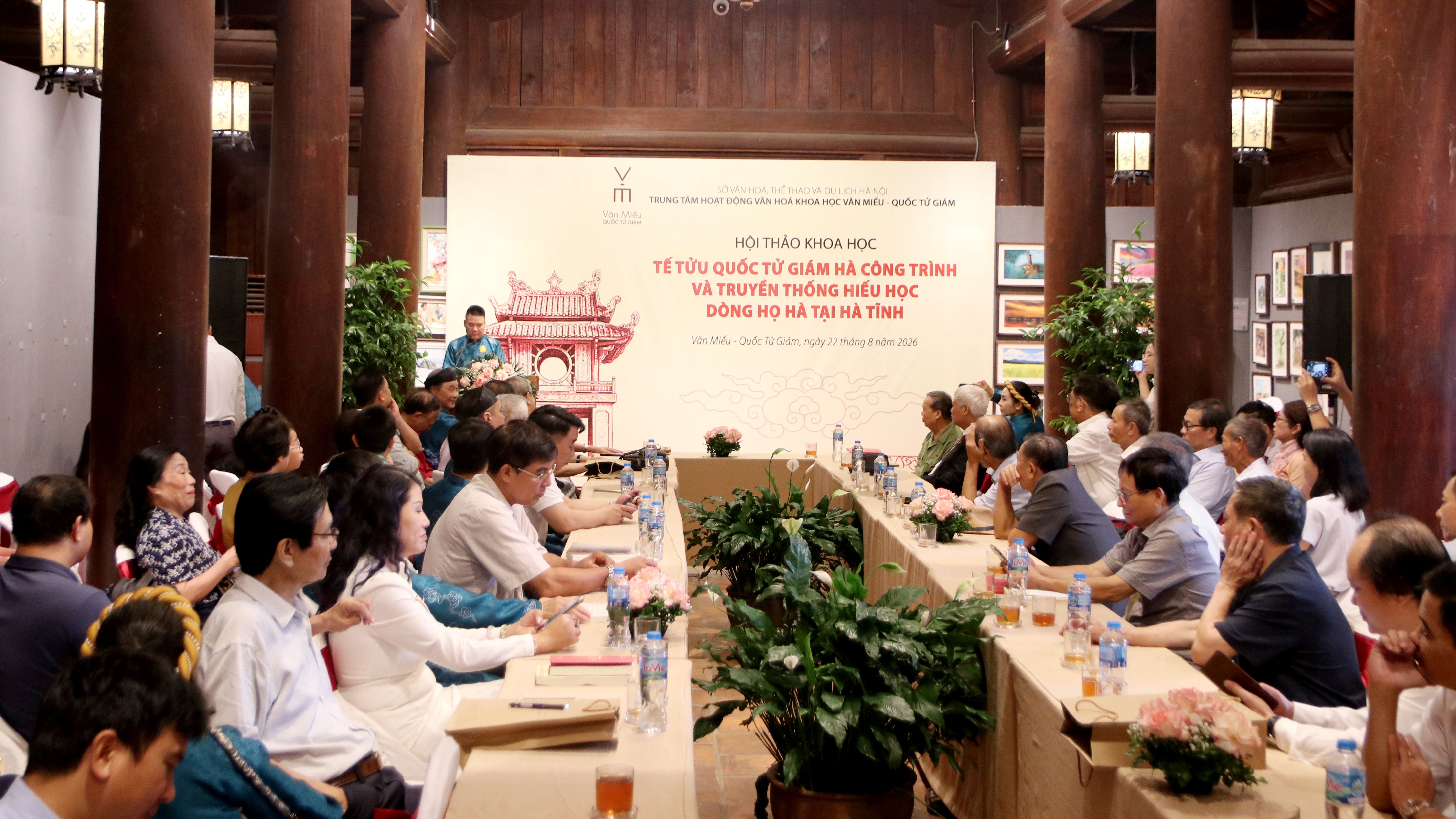
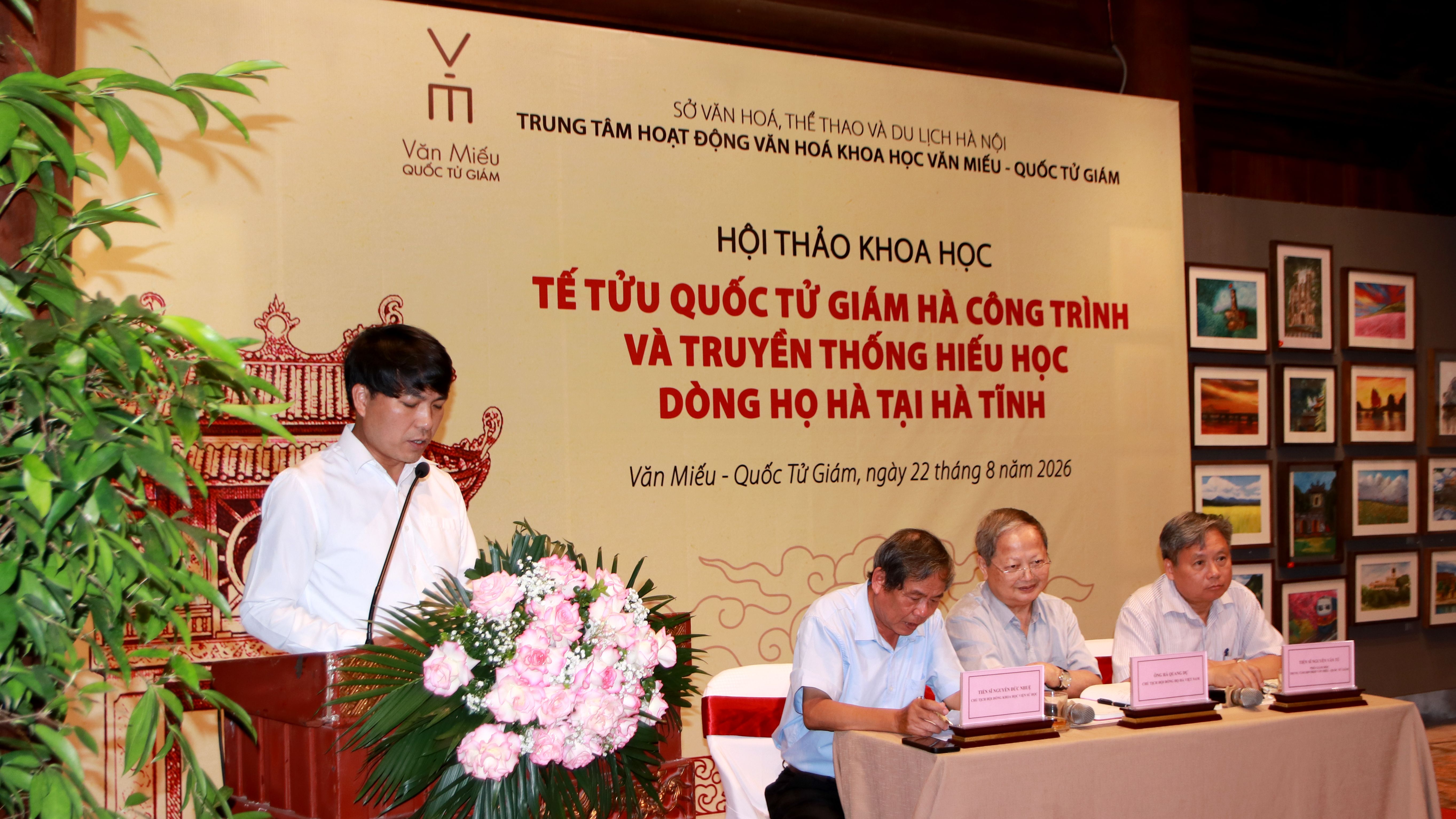
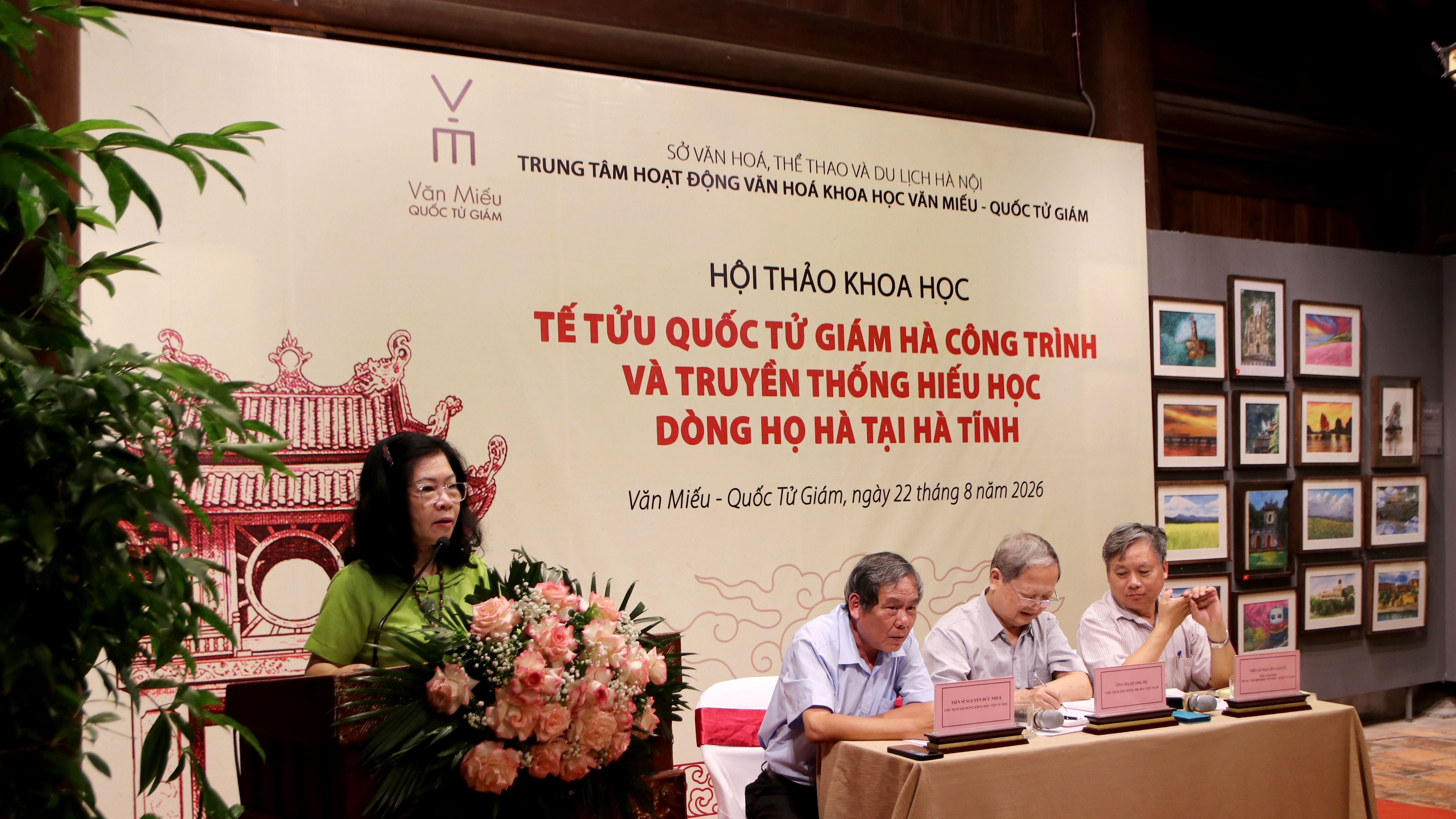
On the morning of August 22, 2026, a scientific seminar entitled “Quốc Tử Giám Rector Hà Công Trình and the Hà Family’s Tradition of Learning in Hà Tĩnh” was held at Văn Miếu – Quốc Tử Giám. The event was organised in the lead-up to the 950th anniversary of the founding of Quốc Tử Giám, Viet Nam’s first national school (1076–2026),
08:00 - 11:00, 22.08.2026
Văn Miếu – Quốc Tử Giám

On the morning of August 22, 2026, a scientific seminar entitled “Quốc Tử Giám Rector Hà Công Trình and the Hà Family’s Tradition of Learning in Hà Tĩnh” was held at Văn Miếu – Quốc Tử Giám. The event was organised in the lead-up to the 950th anniversary of the founding of Quốc Tử Giám, Viet Nam’s first national school (1076–2026), while also commemorating the 560th anniversary of Hà Công Trình’s success in the imperial examination (1466–2026) and the 515th anniversary of his death (1511–2026). Hà Công Trình was a Hoàng giáp, a high-ranking laureate of the imperial examination, and later served as Tế tửu (Rector) of Quốc Tử Giám.
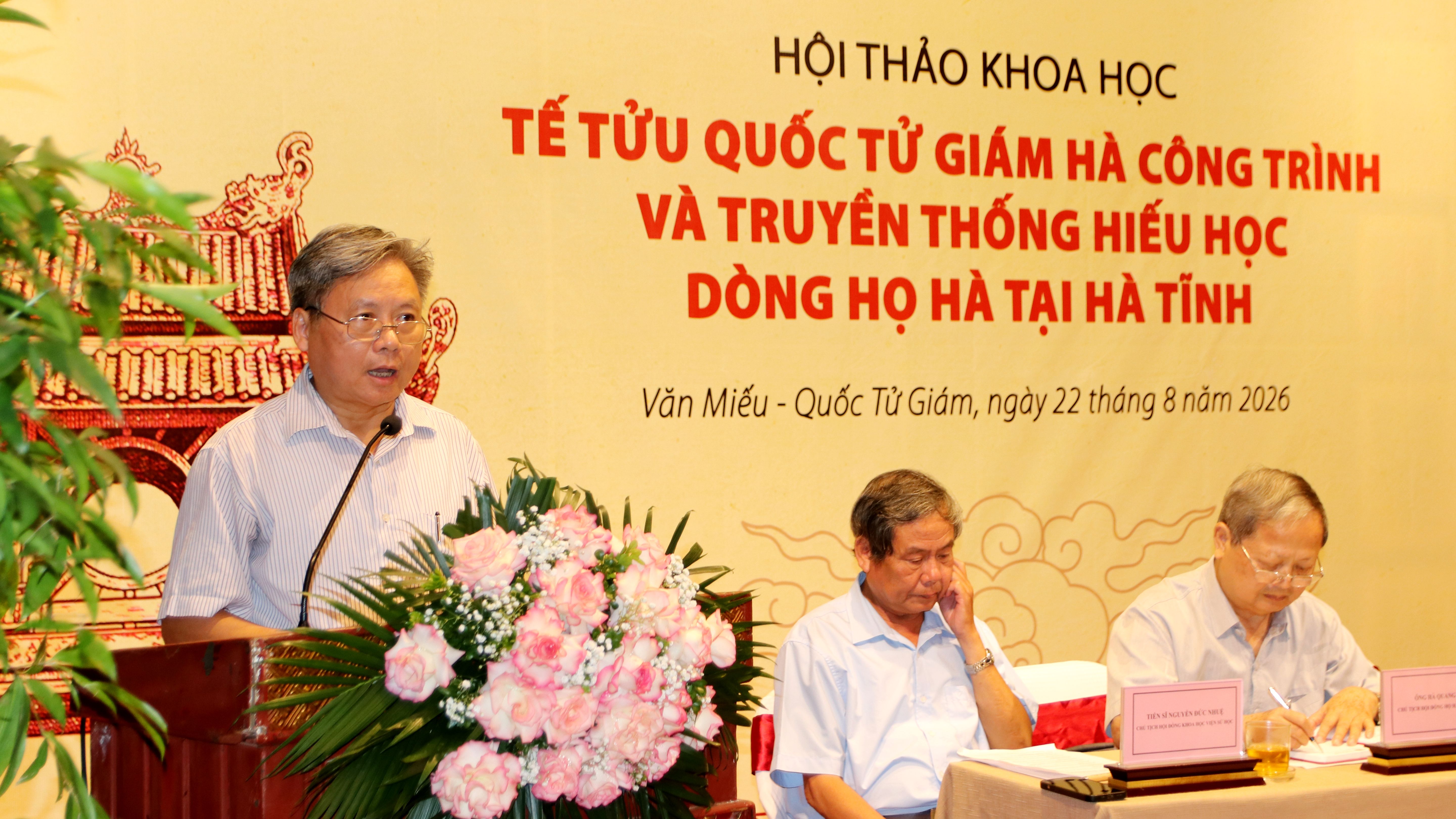
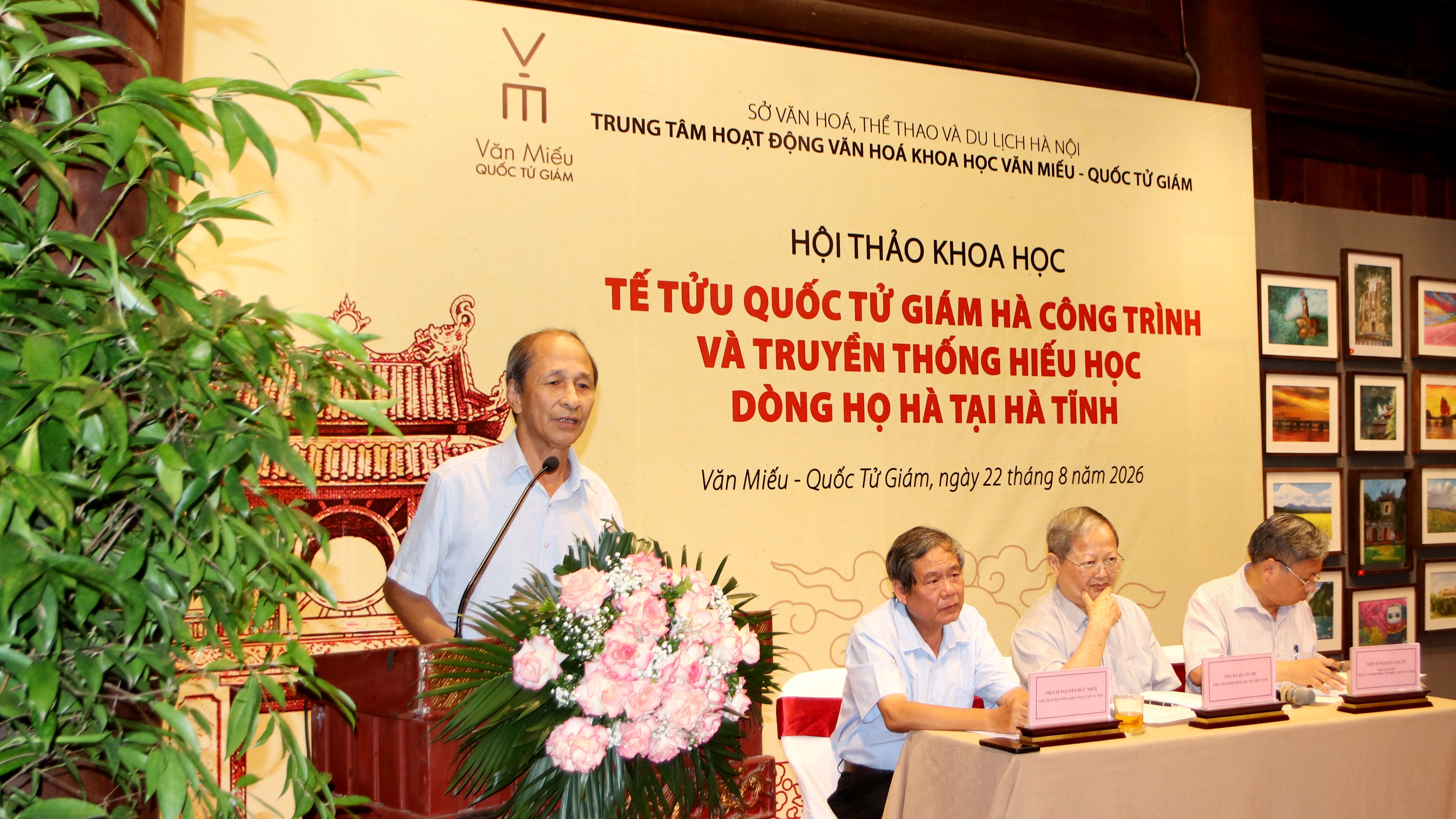
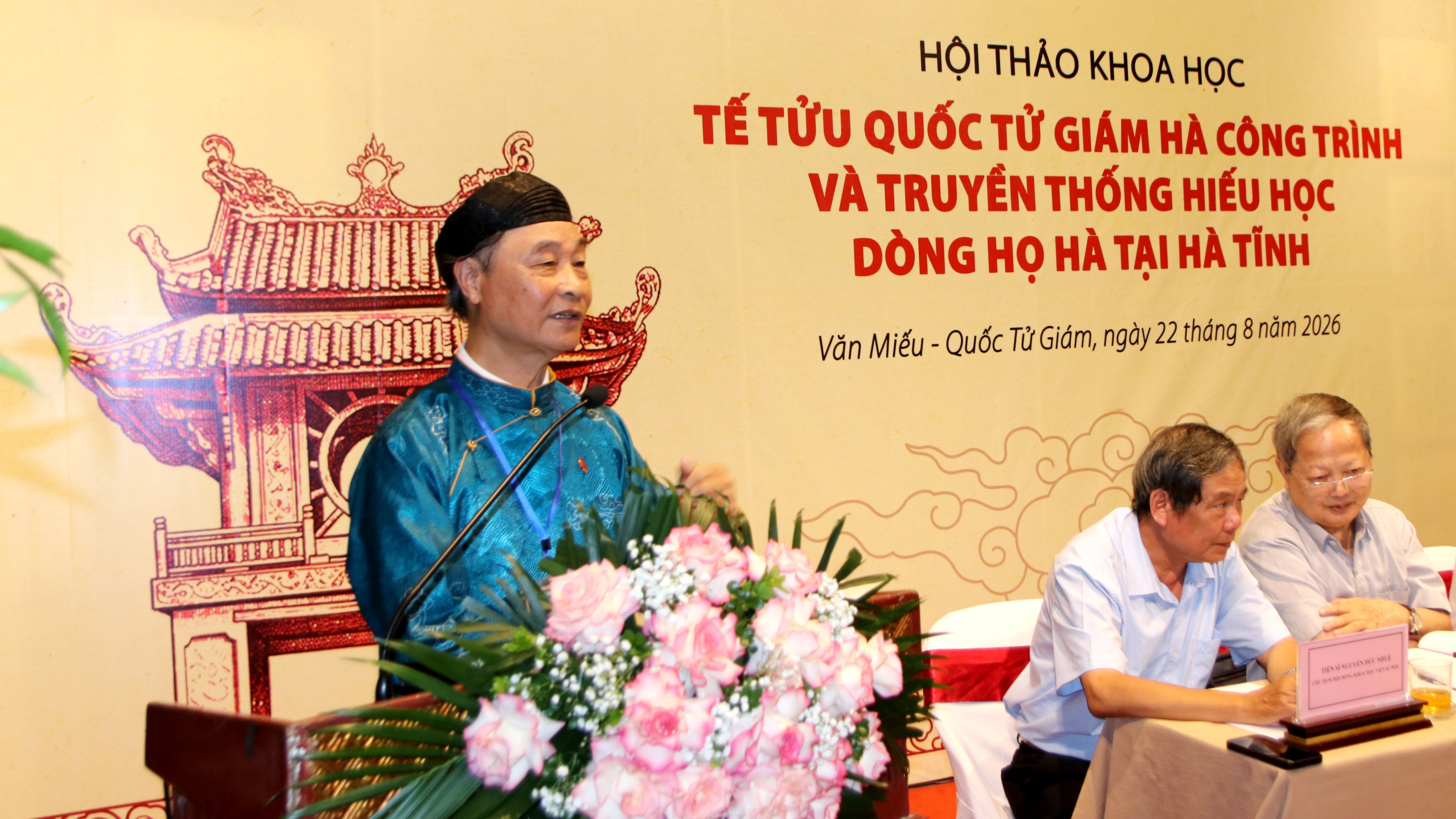
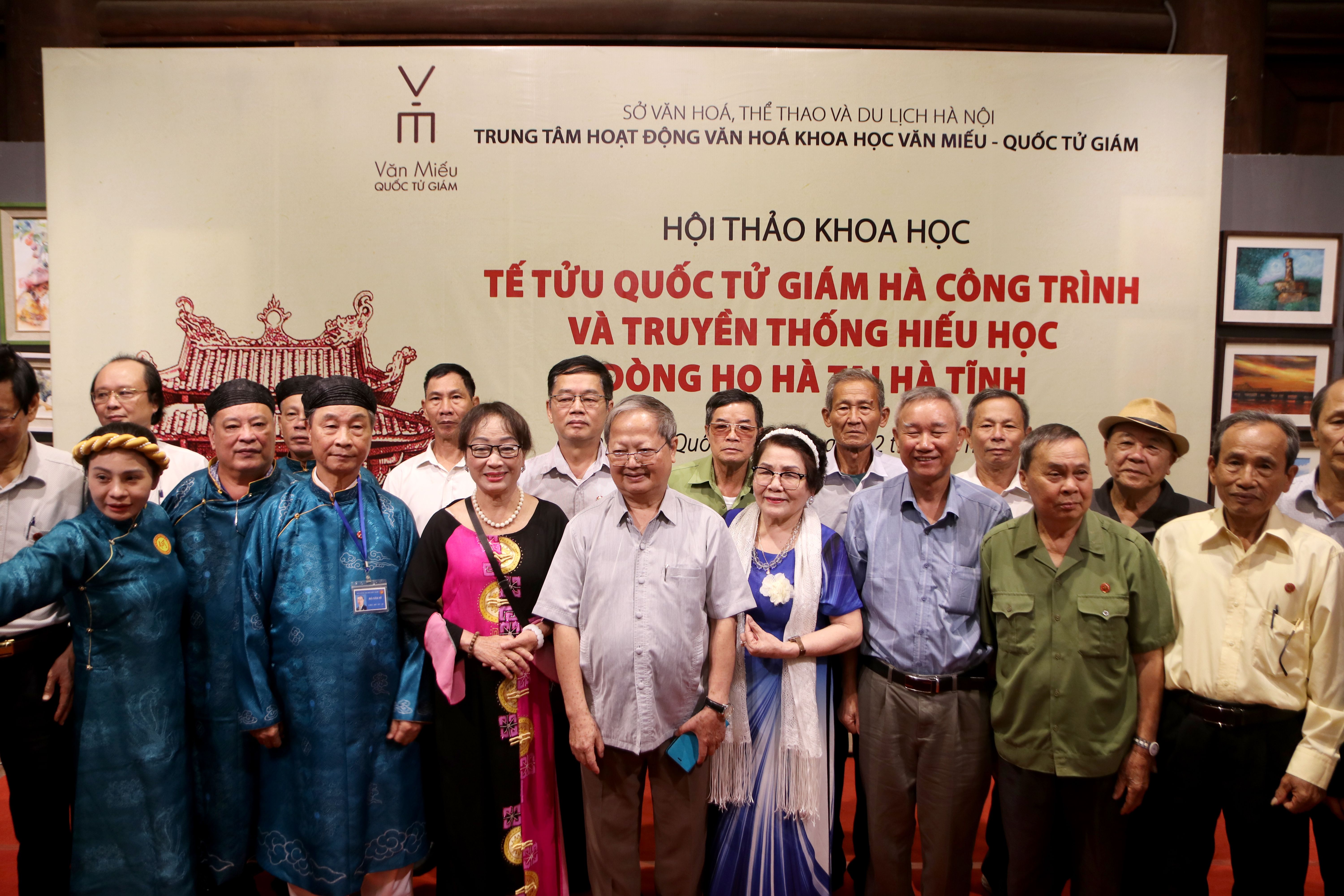
The seminar was attended by Mr Hà Quốc Trị, Member of the Party Central Committee and Deputy Chairman of the Central Inspection Commission; Mr Hà Quang Dự, former Member of the Party Central Committee, former Minister and Chairman of the Committee for Physical Training, Sports and Youth, and Chairman of the Council of the Hà Family of Viet Nam; Assoc. Prof. Dr. Đặng Văn Bài, Vice Chairman of the National Cultural Heritage Council; Assoc. Prof. Dr Nguyễn Đức Nhuệ, Chairman of the Scientific Council of the Institute of History; Dr Nguyễn Hữu Mùi, Deputy Director of the Thăng Long Institute for Cultural Studies; Dr Nguyễn Văn Tú, Deputy Director of the Centre for Cultural and Scientific Activities Văn Miếu – Quốc Tử Giám, together with representatives of relevant agencies and organisations and descendants of the Hà family in Hà Tĩnh.
The Organising Committee of the seminar received 26 papers from scholars and researchers. The papers focused on the homeland and lineage of the Hà family, and on the scholarly and examination traditions of Tỉnh Thạch Commune, Can Lộc District, Hà Tĩnh Province, in particular, as well as on a number of notable figures of the Hà family in Viet Nam.
The seminar also highlighted the significant contributions of distinguished officials, Confucian scholars, and imperial examination laureates from the Hà family. These included General Hà Mại in the 14th century; scholars Hà Công Trình in the 15th century, Hà Tông Mục in the 17th century, Hà Tông Huân in the 18th century, and Hà Tông Quyền in the 19th century; as well as numerous Hương cống and Cử nhân examination laureates. Across different periods of Vietnamese history, members of the Hà family made important contributions to the country in politics, the military, culture, education, and diplomacy.
Among the distinguished members of the Hà family from Tỉnh Thạch, Hà Công Trình (1434–1511) stands out as a particularly notable figure. His name is associated with the story of the “awakening stone,” linked both to his native village and to an enduring message encouraging later generations to pursue learning.
Hà Công Trình attained the rank of Hoàng giáp in the Bính Tuất imperial examination of 1466. He later served as Độc quyển, an official responsible for reviewing examination papers at the 1502 Palace Examination. He held ministerial positions in several ministries, including the Ministries of War, Justice, and Public Works.
His seventh-generation descendant, Hà Tông Mục (1653–1707), attained the rank of Đệ tam giáp Đồng tiến sĩ xuất thân in the Mậu Thìn imperial examination of 1688. He became known as a prominent statesman and diplomat during the Later Lê period.
Drawing on the papers presented and the discussions held during the seminar, Assoc. Prof. Dr Nguyễn Đức Nhuệ summarised several key recommendations. These included strengthening communication about local achievements in the imperial examination tradition, particularly in Hà Tĩnh, to encourage a spirit of learning; fostering connections between family lineages and research institutions to honour and promote cultural heritage through the media; preserving Confucian heritage sites and other heritage associated with distinguished scholars and examination laureates of the Hà family of Tỉnh Thạch; and developing plans to collect, translate, and publish the rich body of historical materials relating to the Hà family of Tỉnh Thạch.
The seminar provided an opportunity not only to pay tribute to and honour the contributions of Hoàng giáp Hà Công Trình and the Hà family to Vietnamese history and to Văn Miếu – Quốc Tử Giám, but also to promote the enduring tradition of devotion to learning and encourage younger generations to uphold cultural values, pursue knowledge, and continually strive for personal development.
Through these efforts, the seminar also helped preserve and promote valuable cultural and historical heritage, ensuring that these traditions continue to inspire future generations and contribute to the country’s sustainable development.
TL: LH